
Home improvement decisions are often framed around appearance, but the most profitable projects usually begin with protection, efficiency, and prevention. A freshly painted room may look impressive, yet stopping a hidden leak, improving insulation, or correcting an unsafe exterior condition can deliver greater long-term value. The challenge is knowing which projects deserve attention first and how to avoid spending money on upgrades that fail to address underlying problems.
A practical improvement plan starts with a whole-home assessment. Homeowners should consider the condition of mechanical systems, moisture control, insulation, exterior drainage, access points, and routine maintenance needs. Each project can then be judged according to urgency, risk, cost, expected lifespan, and its effect on comfort or resale value.
It also helps to think beyond the next repair. Coordinating related projects can prevent duplicated labor, protect newly completed work, and make budgeting easier. By approaching improvements in a logical order, homeowners can reduce emergencies, control operating costs, and build lasting property value without attempting everything at once.
Address Small System Problems Before They Become Emergencies
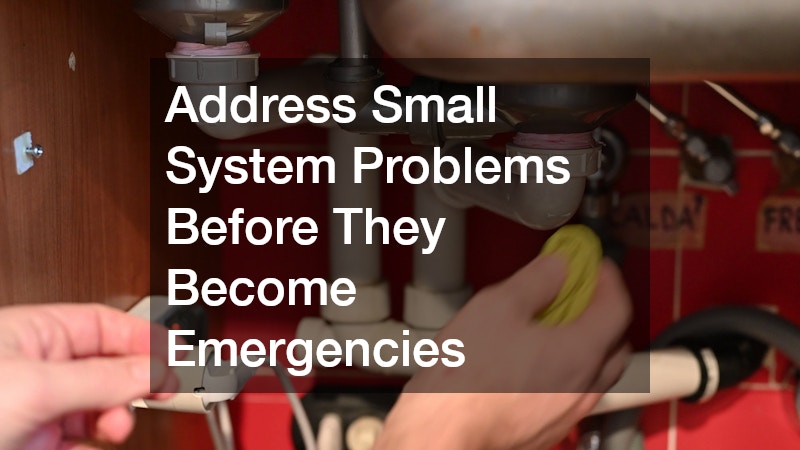
Plumbing, heating, and cooling systems often provide warning signs before they fail. A dripping fixture, low water pressure, a noisy furnace, or rooms that never reach the desired temperature may seem like minor annoyances. However, these symptoms can point to developing problems that become more expensive when ignored.
Check visible supply lines, drains, shutoff valves, water heaters, condensate lines, filters, vents, and equipment areas. Look for corrosion, moisture, staining, unusual odors, or systems cycling more often than normal. Utility bills can also reveal problems. A sudden increase in water use may indicate a hidden leak, while steadily rising energy costs may suggest an inefficient comfort system.
Contacting local plumbing services is usually appropriate for recurring clogs, concealed leaks, damaged supply lines, sewer odors, water heater trouble, or significant pressure changes. Temporary fixes may slow the symptoms, but they rarely correct the cause. A professional evaluation can determine whether the problem is isolated or connected to a larger failure.
The same principle applies to HVAC repairs. Delaying service can force equipment to work harder, shorten its lifespan, and increase the chance of a breakdown during extreme weather. Prompt attention is especially important when you notice burning smells, repeated breaker trips, weak airflow, short cycling, leaks, or significant temperature differences between rooms.
Prioritize system concerns in this order:
- Immediate safety risks: Gas odors, electrical problems, sewage backups, or overheating equipment
- Active property damage: Leaks or condensation affecting walls, ceilings, floors, or cabinets
- Loss of essential function: No heat, no cooling during dangerous weather, or unusable fixtures
- Efficiency concerns: Rising bills, uneven performance, or excessive equipment run times
- Minor comfort issues: Noise, slow drains, or small temperature fluctuations
Keep records of service dates, replaced parts, warranties, filter changes, and recurring symptoms. These notes can help technicians diagnose problems and help you decide when replacement is more economical than continued repairs.
Improve the Building Envelope to Reduce Energy Waste
The building envelope includes the roof, walls, windows, doors, foundation, and other surfaces separating indoor space from outdoor conditions. When it contains gaps or inadequate insulation, conditioned air escapes, outdoor air enters, and mechanical systems must work harder.
Common warning signs include drafty rooms, uneven temperatures, cold walls, high utility bills, ice dams, excessive attic heat, and insulation that appears compressed, damp, or missing. Before adding material, identify air leaks and moisture sources. Insulation alone cannot solve roof leaks, poor ventilation, or unsealed openings around wiring, pipes, ducts, and recessed fixtures.
When comparing attic insulation companies, ask how they evaluate existing conditions. A thorough assessment should address insulation depth, air leakage, ventilation, moisture, pest damage, exhaust ducts, and access points. Estimates should clearly explain the recommended material, target performance level, preparation, cleanup, warranty, and whether old insulation must be removed.
Homeowners should also understand the difference between insulation and air sealing. Insulation slows heat transfer, while air sealing reduces uncontrolled airflow through cracks and penetrations. The best results often come from addressing both. Sealing an attic hatch and gaps around pipes before adding insulation, for example, can improve comfort more effectively than increasing insulation depth alone.
A spray foam insulation supplier may be involved in projects for additions, workshops, rim joists, wall cavities, roof assemblies, or difficult-to-reach spaces. However, the product and installation method must match the building design. Open-cell and closed-cell products perform differently, and poor installation can trap moisture or interfere with ventilation.
Before approving an insulation project, ask:
- Has every visible moisture stain been investigated?
- Are kitchen and bathroom exhaust ducts vented outdoors?
- Is the attic properly ventilated for the proposed assembly?
- Will air leaks be sealed before new material is added?
- Are electrical components and heat-producing fixtures protected?
- Will the work interfere with future inspections or repairs?
Measure the results by comparing utility bills, room comfort, and equipment run times. Keep photos and invoices because documented efficiency improvements can also support resale value.
Maintain Safe and Reliable Property Access

A garage door is one of the largest moving components in many homes. It affects security, convenience, curb appeal, weather protection, and sometimes the comfort of rooms beside or above the garage. Because the system includes springs, cables, tracks, rollers, sensors, and an opener, small defects can affect both safety and reliability.
Warning signs include slow or uneven movement, shaking, grinding noises, sagging sections, frayed cables, perimeter gaps, delayed reversing, or a door that will not remain fully open. Homeowners can perform visual checks, clean sensor lenses, test the automatic reversal feature, and inspect weatherstripping. High-tension springs and cables, however, should only be handled by trained professionals.
When requesting estimates from garage door companies, compare more than the final price. Ask about panel construction, insulation value, wind ratings, hardware quality, opener compatibility, warranty coverage, disposal fees, and emergency support. A low-cost door may be less economical if its materials are poorly suited to the climate or its hardware requires frequent attention.
Local garage door services can help extend the life of an existing system. Professional maintenance may include tightening hardware, balancing the door, aligning tracks, testing sensors, inspecting springs, lubricating appropriate components, replacing worn rollers, and correcting gaps around the frame.
A basic maintenance schedule should include:
- Monthly visual inspections of cables, tracks, rollers, and panels
- Monthly testing of the photo-eye and automatic reversal systems
- Seasonal cleaning of tracks and sensor lenses
- Periodic inspection of seals along the sides, top, and bottom
- Professional attention when movement becomes noisy or inconsistent
For attached garages, inspect the shared walls and ceiling as well. A new insulated door will have limited impact if the surrounding structure still contains major air leaks or insufficient insulation.
Strengthen Exterior Drainage and Storm Protection
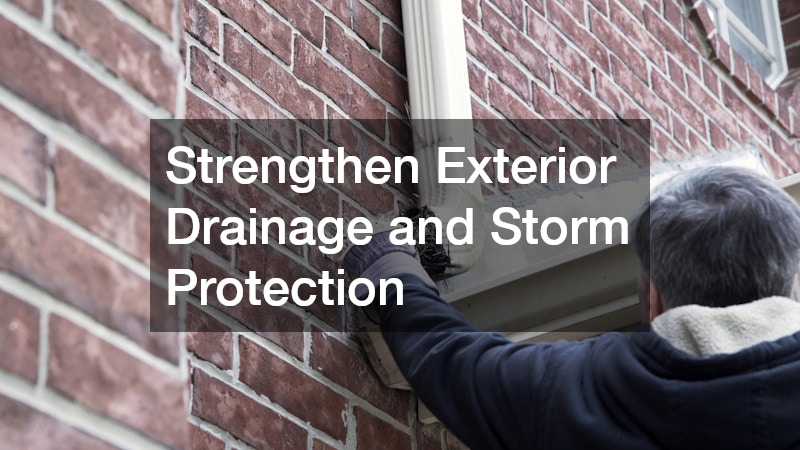
Exterior water management is one of the most important parts of home protection. Roof runoff that overflows gutters or drains too close to the foundation can damage fascia, siding, landscaping, masonry, basements, crawl spaces, and walkways. These problems often develop gradually, making them easy to overlook until repairs become expensive.
Inspect the exterior during or shortly after rainfall. Watch where water exits downspouts, whether gutters overflow, and where puddles form. Soil should direct water away from the house rather than toward it. Look for erosion, foundation staining, loose gutter sections, peeling paint, damaged fascia, or washed-out landscaping.
Gutter guard installations can reduce the amount of leaves and large debris entering the drainage system, particularly on properties surrounded by mature trees. They may also reduce how often homeowners need to climb ladders. However, guards do not eliminate maintenance. Fine debris can still collect, and gutters must remain properly sloped, secured, and connected to effective downspouts.
Before selecting a system, consider:
- The type and volume of debris produced by nearby trees
- The roof pitch and roofing material
- The size and condition of existing gutters
- Local snow and ice conditions
- Ease of future cleaning and inspection
- Whether installation could affect the roof warranty
Trees should also be included in an exterior risk assessment. Local tree removal may be necessary when a tree is dead, severely diseased, structurally unstable, leaning toward a building, interfering with utilities, or dropping large branches near the roof. Removal should not be the automatic response to every overhanging limb, however. Selective pruning or other treatment may reduce risk while preserving a healthy tree.
Pay attention to trunk cavities, major cracks, fungal growth, root damage, dead upper branches, sudden leaning, or soil movement near the base. Storm damage should be evaluated promptly, especially when branches are resting on structures or close to power lines.
Coordinate Related Projects in the Right Order
Many home projects affect one another. Replacing trim before correcting the leak that damaged it wastes money. Painting a wall before repairing plumbing behind it creates duplicate work. Installing new gutters beneath unstable branches exposes the new system to avoidable damage. Project sequencing is therefore as important as selecting the right materials.
Handyman companies can be useful for smaller repairs that do not require a specialized trade license. Common tasks may include patching drywall, replacing damaged trim, adjusting interior doors, repairing small sections of siding, installing fixtures, recaulking joints, or completing minor carpentry. Addressing these defects prevents a long list of small problems from turning into extensive deferred maintenance.
Homeowners should still understand the limits of general repair work. Electrical service changes, structural modifications, major plumbing projects, refrigerant systems, and other regulated tasks may require licensed specialists and permits. Ask every provider to explain what is included, what is excluded, and whether another trade must complete part of the work.
Professional tree removal services are especially important when trees are large, unstable, close to buildings, or difficult to access. The written scope should clarify whether the price includes rigging, stump grinding, hauling, cleanup, utility coordination, or lawn restoration. Confirm insurance coverage and ask how the crew will protect roofs, driveways, fences, and landscaping.
A logical order for home improvements is:
- Correct immediate safety hazards.
- Stop active water intrusion or structural damage.
- Repair essential mechanical systems.
- Improve drainage, sealing, and insulation.
- Restore damaged interior and exterior surfaces.
- Complete cosmetic upgrades.
Bundling related work may save money when projects share setup, access equipment, or materials. However, bundling should not mean assigning every job to one provider. The goal is to coordinate qualified professionals so that each completed project supports and protects the next.
Build a Budget Based on Risk and Return
A profitable improvement plan requires a budget that reflects both urgency and long-term value. Homeowners often spend first on visible upgrades because they feel rewarding, but a strong plan reserves money for systems and maintenance that protect the entire property.
Divide proposed projects into four categories:
- Emergency: Conditions threatening safety, health, security, or essential functions
- Preventive: Work that stops deterioration or reduces the chance of expensive damage
- Efficiency-focused: Projects that lower operating costs or improve comfort
- Cosmetic: Improvements primarily intended to update appearance or buyer appeal
Next, estimate the cost of delaying each item. A modest repair today may prevent structural deterioration, equipment failure, mold growth, or extensive interior restoration later. That does not mean every recommendation must be completed immediately. It means the consequences of postponement should be considered alongside the upfront price.
For larger projects, obtain several written estimates based on a comparable scope. Review warranties, materials, expected lifespan, contractor experience, permits, preparation, and cleanup. The lowest bid may exclude necessary steps or use products that require earlier replacement.
A three- to five-year schedule can make major expenses more manageable. Begin with inspection reports, the age of major systems, utility bills, warranty information, and known defects. Assign each project a target year and estimated cost, then review the plan annually.
When evaluating potential returns, consider more than resale price. Valuable improvements may deliver:
- Lower monthly operating expenses
- Fewer emergency repair bills
- Longer equipment and material lifespans
- Improved safety and reliability
- Greater comfort throughout the home
- Stronger curb appeal
- More favorable inspection results
Keep invoices, permits, warranties, photographs, and maintenance records in one organized location. Good documentation supports warranty claims, simplifies future planning, and demonstrates responsible ownership to potential buyers.
Create a Practical Long-Term Improvement Plan

The most valuable home improvements are not always the most visible. Projects that stop water intrusion, maintain essential systems, improve energy performance, protect exterior components, and correct safety hazards often provide the strongest foundation for long-term profitability. Cosmetic updates become more meaningful when the home behind them is dry, efficient, secure, and well maintained.
Begin with a careful inspection and organize proposed projects according to risk. Address immediate hazards and active damage first, then focus on reliability, efficiency, and appearance. Obtain detailed estimates, verify contractor qualifications, and ask how each project interacts with other parts of the property.
It is equally important to revisit the plan regularly. Homes change over time, and a minor concern this year may become a priority next year. Seasonal inspections, maintenance logs, photographs, and utility records can help reveal patterns before they develop into emergencies.
A phased strategy makes improvements more manageable. Instead of reacting to failures, homeowners can schedule work, establish financial reserves, coordinate professionals, and select materials thoughtfully. This approach protects the property, improves everyday comfort, and creates lasting value well beyond a single renovation.