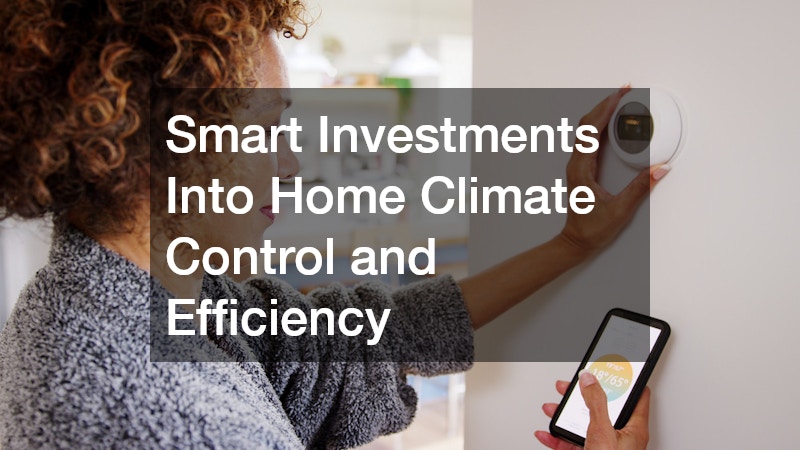
Residential energy demands continue to evolve, driven by shifting weather patterns, rising utility tariffs, and a growing emphasis on environmental sustainability. For modern homeowners, maintaining an ideal indoor environment is no longer just about adjusting a dial when temperatures become uncomfortable. True home comfort relies on a dynamic balance between thermal management, indoor air quality, structural moisture control, and electrical capability. When these elements operate in harmony, a residential property consumes substantially less energy while delivering superior, consistent comfort across every season.
Investing in high-efficiency upgrades offers one of the most reliable financial returns available in home maintenance. Rather than viewing efficiency as a series of isolated retrofits, forward-thinking property owners treat their homes as interconnected ecosystems. A high-efficiency heating system cannot reach its full potential if heat continuously escapes through an uninsulated garage, nor can an advanced air conditioning unit function effectively if unmanaged indoor humidity increases the latent cooling load. By addressing efficiency through a comprehensive, systemic approach, homeowners protect structural components, extend equipment lifespans, and secure immediate reductions in monthly operational expenses.
Modernizing Heating and Cooling for Maximum Efficiency
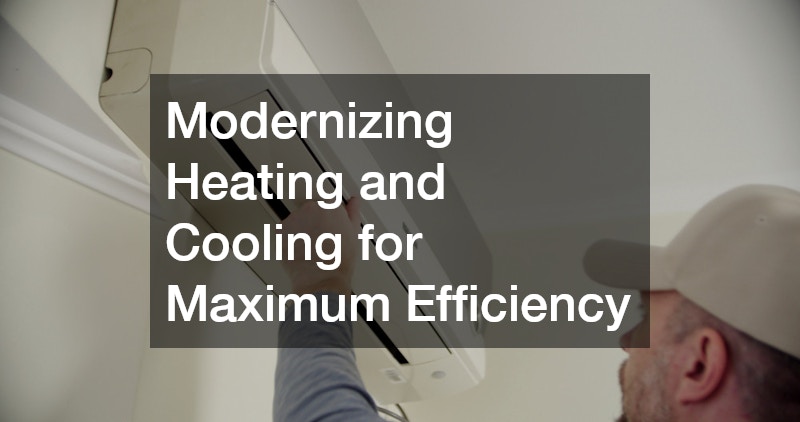
Heating and cooling account for more than half of the energy consumed in a standard American household. Transitioning from traditional, single-stage combustion furnaces and standard split air conditioners to modern variable-speed heat pumps represents one of the single most impactful investments in home climate control. Variable-speed equipment continuously adjusts its output in tiny increments to match the exact thermal demands of the structure, avoiding the aggressive power spikes and temperature swings associated with legacy on-off cycles.
To maximize the performance of a newly installed heat pump or high-SEER2 system, proper installation and ongoing maintenance are vital. Improper duct sizing, unsealed joints, and unbalanced static pressure can undermine the efficiency of even the highest-rated mechanical systems. Engaging experienced professionals for routine HVAC services ensures that ductwork is thoroughly pressure-tested, air distribution is balanced across all zones, and system capacity matches the actual heat loss and heat gain profiles of the residence.
Furthermore, routine cooling system maintenance prevents minor operational inefficiencies from snowballing into severe energy waste. Over time, outdoor condenser coils collect dirt, debris, and bio-film, which insulates the coil and restricts heat dissipation. Indoor evaporator coils can similarly accumulate dust, reducing airflow and causing compressor strain. Partnering with reputable ac repair companies allows homeowners to address micro-refrigerant leaks, test capacitor health, and restore coil cleanability before performance drops degrade seasonal energy efficiency ratings.
- Shift to inverter-driven heat pumps: Variable-capacity compressors run almost continuously at lower power levels, consuming up to forty percent less electricity than standard single-stage equipment while providing far more consistent indoor temperatures.
- Implement intelligent temperature scheduling: Smart thermostats learn household routines and automatically adjust setpoints during sleep or away periods, cutting heating and cooling energy usage by ten to fifteen percent annually.
- Seal and insulate distribution ductwork: Leaky air ducts in unconditioned attics or crawl spaces can waste up to thirty percent of conditioned air. Applying mastic sealant and R-8 duct insulation preserves thermal energy before it reaches living spaces.
- Calibrate system airflow and static pressure: Ensure supply and return registers remain unobstructed, and replace standard air filters every one to three months to maintain clean airflow across heating and cooling coils.
- Install smart dampers in underutilized rooms: Regulate airflow dynamically across different zones to prevent over-conditioning unused living spaces and balance pressure throughout the duct network.
Modernizing Power Systems to Support High-Efficiency Equipment
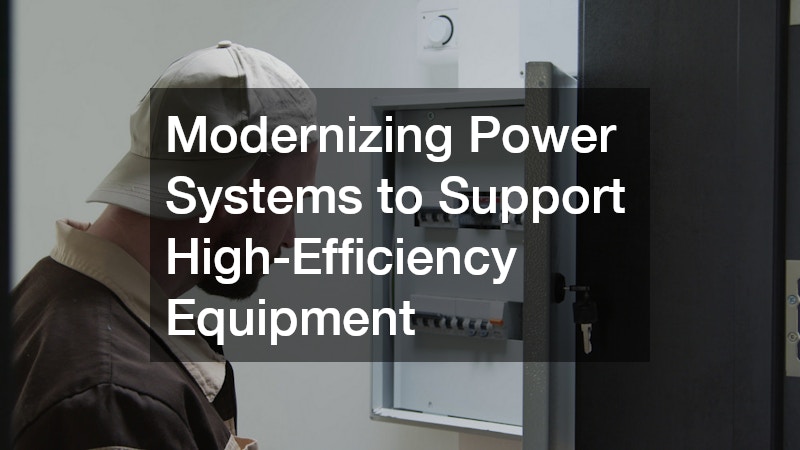
As homeowners replace legacy gas appliances and aging mechanical units with high-efficiency electric alternatives, electrical capacity rapidly becomes a central bottleneck. Modern inverter-driven heat pumps, electric heat pump water heaters, induction cooktops, and residential electric vehicle chargers demand stable, clean power delivery. An outdated electrical framework not only limits a home’s capacity to host modern efficiency technology but can also pose severe safety hazards under high continuous loads.
Older electrical infrastructure, particularly homes equipped with 100-amp service, often struggles to support the cumulative electrical draw of modern climate control gear. Performing selective electrical panel upgrades expands total busbar capacity to 200 amps or higher, creating dedicated breaker space for energy-efficient climate equipment. Upgrading the panel ensures that high-draw appliances operate within safe thermal thresholds, eliminating dangerous voltage drops that degrade sensitive electronic control boards inside modern smart appliances.
Executing these electrical enhancements requires precision and compliance with local building codes. Enlisting a qualified electrician guarantees that load calculations are conducted accurately, neutral conductors are properly sized, and appropriate surge protection devices are integrated into the main service panel. A certified professional can also evaluate wire gauges leading to mechanical units, mitigating resistance-induced energy loss right at the source.
- Perform a comprehensive load calculation: Assess total connected load and peak demand before adding high-efficiency appliances to ensure the current service drop can handle the additional draw safely.
- Install whole-home surge protection: High-efficiency heat pumps and smart thermostats rely on sensitive microprocessors. Installing panel-mounted surge suppressors protects these costly components from grid voltage spikes and lightning strikes.
- Upgrade breaker panels for continuous loads: Modern electrical codes require continuous loads to operate at no more than eighty percent of a breaker’s rated capacity. Dedicated circuits prevent tripping and operational thermal stress.
- Standardize copper wiring connections: Ensure older aluminum wiring or loose terminal connections are retrofitted or torque-tested to prevent localized resistance, heat buildup, and line loss.
- Incorporate dedicated subpanels for mechanical additions: Maintain organized power routing and simplify future energy expansions like solar integration or supplementary heat pump zones.
Controlling Indoor Humidity and Preventing Structural Moisture Losses
Indoor environmental management goes beyond regulating air temperature; controlling atmospheric moisture is equally critical for thermal efficiency and building longevity. Air with high relative humidity retains excess thermal energy, making living spaces feel significantly warmer in summer and colder in winter. When air holds too much water vapor, cooling systems must work twice as hard to condense that latent moisture out of the air before sensible temperature reductions can occur, driving up energy bills.
Uncontrolled indoor humidity and unaddressed plumbing or envelope leaks can severely damage structural materials and thermal insulation. Wet insulation loses its resistance to heat transfer, rendering energy efficiency upgrades useless. If minor leaks or bulk water intrusions go unaddressed, homeowners often face costly water damage restorations that require tearing out contaminated drywall, subfloors, and framing materials. Keeping building materials dry is essential for maintaining effective insulation barriers.
Additionally, high humidity creates ideal breeding conditions for biological contaminants inside wall cavities, basements, and subfloor assemblies. Scheduling periodic mold inspections helps locate hidden moisture intrusion pathways behind finished surfaces before air quality deteriorates or structural timbers decay. Professional inspection tools, such as thermal imaging cameras and moisture meters, identify damp zones that compromise both health and energy performance.
- Maintain optimal relative humidity targets: Keep indoor relative humidity strictly between thirty and fifty percent using whole-home dehumidifiers or multi-stage cooling systems to maximize occupant comfort at higher thermostat setpoints.
- Seal foundation and crawl space vapor barriers: Lay heavy-duty polyethylene vapor retarders across exposed crawl space earth to prevent ground moisture from evaporating upward into living zones and floor insulation.
- Install localized exhaust ventilation: Ensure kitchen, bathroom, and laundry exhaust fans vent directly to the outdoors, removing humid air at the point of generation before it spreads through the building envelope.
- Inspect building perimeter flashings: Regularly check roof eaves, window sill flashings, and exterior masonry joints to prevent bulk rainwater penetration from saturating wall cavity insulation.
- Upgrade window glazing and frame seals: Reduce thermal conductivity and surface condensation where humid indoor air contacts cool glass panes during winter months.
Optimizing Plumbing Systems and Water Heating Efficiency
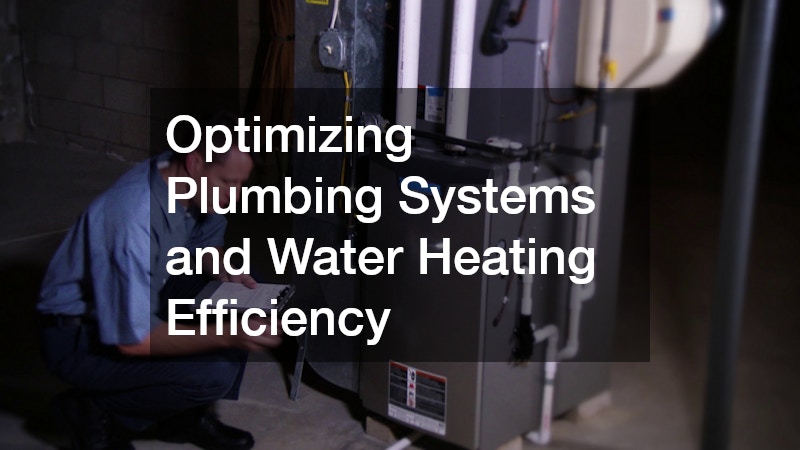
Water heating represents the second-largest energy expense in most homes, accounting for roughly eighteen percent of utility expenditure. Traditional storage tank water heaters continuously burn fuel or consume electricity to keep forty to eighty gallons of water hot, experiencing substantial standby loss throughout the day. Upgrading to high-efficiency tankless water heaters or hybrid heat pump water heaters can reduce water heating energy consumption by up to seventy percent, delivering rapid operational savings.
However, the overall efficiency of a domestic hot water system relies heavily on fluid dynamics and unobstructed piping. Scale buildup inside water heaters and line restrictions within drainage networks force pumping systems and heating elements to work harder. Performing periodic drain cleaning keeps waste lines flowing freely, preventing backpressure and preventing wastewater backups from damaging adjacent water-heating equipment or subfloor materials.
To maximize water energy conservation, homeowners must look at the entire plumbing delivery loop. Working with certified residential plumbers allows homeowners to implement recirculating loops equipped with smart pumps, insulate long pipe runs, and repair hidden high-pressure leaks. Professional plumbing evaluations ensure that water pressure regulator valves maintain optimal static pressure, protecting low-flow fixtures and appliances from excess stress.
- Insulate exposed hot water piping: Wrap exposed hot water lines in pre-formed foam pipe insulation to minimize thermal radiation losses as hot water travels from the heater to faucets.
- Flush water heaters annually: Drain sediment and mineral deposits from heating tanks or descaling tankless heat exchangers every twelve months to maintain optimal heat transfer rates.
- Install smart hot water recirculation systems: Replace constantly running recirculation pumps with demand-based or motion-activated pumps that deliver instant hot water without wasting fuel continuously.
- Retrofit low-flow aerators and showerheads: Install engineered low-flow fixtures to reduce total hot water consumption by twenty to thirty percent without sacrificing water pressure perception.
- Lower storage tank thermostat setpoints: Adjust water heater temperatures to 120 degrees Fahrenheit to prevent unnecessary energy waste from continuous standby heat losses.
Fortifying Attached Garages to Protect the Thermal Envelope
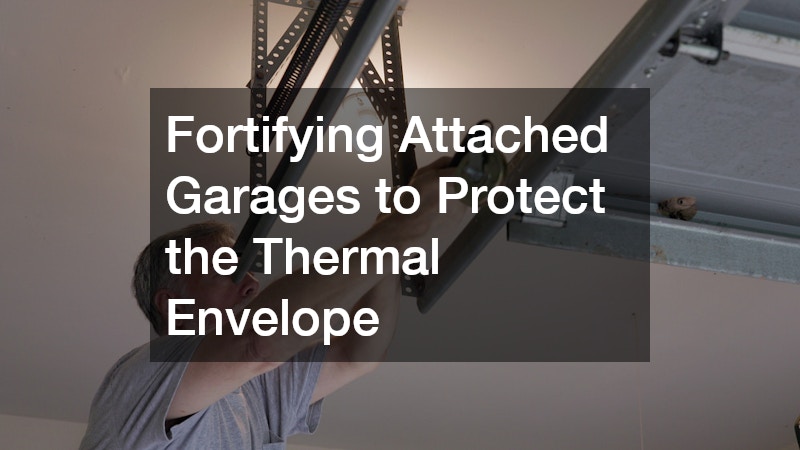
Attached garages are often the primary weak point in a home’s thermal envelope. Because garages are typically unconditioned, they act as massive buffer zones subject to extreme outdoor temperature fluctuations. Cold winter air or intense summer heat sitting in a garage easily transfers through shared interior walls and ceilings, forcing adjacent living area heating and cooling systems to work overtime. Reinforcing this space creates a protective shield for the conditioned core of the home.
Concrete floor slabs in garages absorb significant ground moisture, which slowly evaporates into the enclosed garage space, elevating humidity levels that can migrate into adjacent living areas. Applying an impenetrable garage floor epoxy coating seals the porous concrete surface, halting capillary moisture vapor emissions and making the floor resistant to oil spills, chemical degradation, and thermal cracking. A sealed concrete floor helps stabilize baseline humidity levels in attached structural spaces.
Equally important is the garage door itself, which represents the largest opening in the home envelope. Insulated garage doors featuring polyurethane cores offer substantial R-values, but their efficiency depends on tight weather sealing around the perimeter. Arranging for regular garage door service ensures that torsion springs, track alignments, and bottom rubber weather seals are properly calibrated, preventing severe thermal drafts and air infiltration along shared living room boundaries.
- Seal common interior wall penetrations: Caulk and foam all utility penetrations, electrical outlets, and access hatches located on walls shared between the garage and conditioned living areas.
- Install insulated garage access doors: Replace hollow-core interior garage access doors with solid, fire-rated doors equipped with heavy-duty perimeter weather-stripping and an adjustable threshold bottom seal.
- Maintain perimeter garage door seals: Replace cracked or hardened side vinyl weather-stripping and bottom bulb seals to eliminate gaps that let outside air enter the space.
- Insulate garage ceiling joists: Ensure floor bays above attached garages are filled with high-density insulation to protect second-story rooms from cold floors in winter and warm floors in summer.
- Add reflective radiant barriers overhead: Install thermal radiant barriers beneath garage roof rafters to deflect solar radiation before heat accumulates in upper garage framing.
Creating an energy-efficient, thermally stable home is an iterative process that yields compounding financial and environmental returns over time. By taking a systematic view of home performance—combining mechanical system modernization, electrical power expansion, indoor moisture control, plumbing optimization, and envelope reinforcement—homeowners can eliminate energy waste at every level.
Rather than attempting every upgrade at once, start by addressing immediate safety concerns and low-hanging structural leaks. Begin with air sealing and insulation improvements to minimize overall thermal load, followed by heating and electrical capacity upgrades to support high-efficiency equipment. With a well-planned execution strategy, these smart investments transform residential properties into resilient, cost-effective, and exceptionally comfortable living environments for decades to come.