
Not all home improvements are created equal. While some projects simply make a home more comfortable or visually appealing, others have the power to significantly increase resale value, reduce time on the market, and strengthen long-term equity. The challenge for homeowners is knowing which remodeling decisions actually pay off and which ones risk becoming expensive personal preferences with limited return.
Strategic remodeling focuses on improving functionality, durability, and visual consistency in ways that appeal to the widest range of buyers. This means understanding how upgrades are evaluated during inspections, appraisals, and showings, not just how they look when finished. Projects that protect the structure, modernize key living areas, and enhance curb appeal tend to offer the strongest returns because they reduce buyer uncertainty and perceived risk.
This guide explores remodeling decisions that consistently add value when executed thoughtfully. Rather than chasing trends or overbuilding, homeowners will learn how to prioritize upgrades, sequence projects effectively, and invest in improvements that strengthen both livability and long-term profitability. Whether preparing to sell in the near future or improving a long-term residence, these principles help ensure remodeling dollars work harder.
Too often, homeowners approach upgrades in isolation, tackling projects based on convenience or personal taste rather than overall impact. This can lead to mismatched finishes, inefficient layouts, or investments that fail to resonate with future buyers. A more disciplined approach considers how each improvement fits into the broader picture of the home and its market.
By understanding where remodeling dollars generate the greatest return, homeowners can make confident decisions that balance comfort today with financial performance tomorrow. With thoughtful planning and realistic expectations, remodeling becomes a strategic tool for building value rather than an uncertain home expense.
Refreshing Surfaces That Deliver Immediate Visual Impact
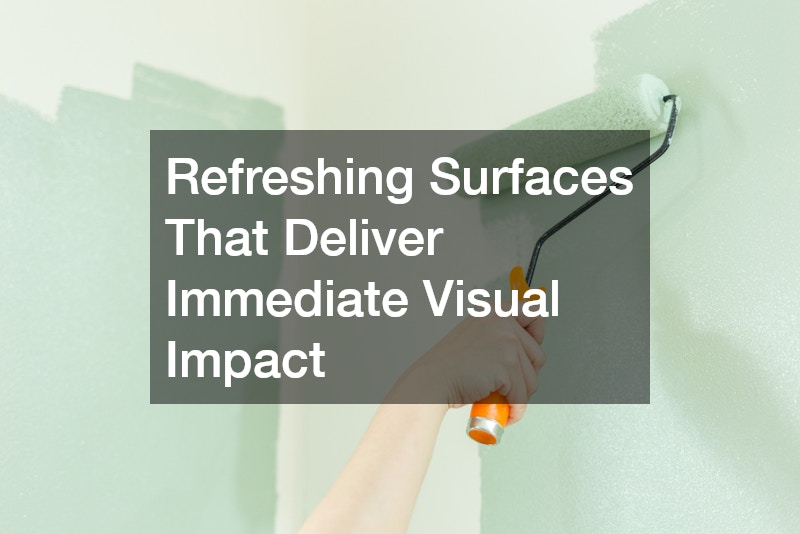
Paint is often underestimated as a value driver because of its relatively low cost, but its influence on buyer perception is substantial. Fresh paint creates an immediate sense of cleanliness, brightness, and uniformity that makes a home feel newer and better maintained than its actual age. Neutral, well-chosen color palettes also help buyers visualize their own furnishings and lifestyle in the space, reducing psychological barriers during showings.
Working with a professional painting company often yields results that last longer and look more refined than DIY projects. Clean lines, even coverage, and durable finishes all contribute to a polished appearance that buyers associate with quality. Proper surface preparation, such as patching, sanding, and priming, ensures the finish holds up over time rather than deteriorating shortly after listing. Poor paint jobs, on the other hand, can highlight imperfections and raise questions about what other work may have been rushed or neglected.
Exterior paint carries even more weight because it establishes first impressions. An experienced exterior house painter understands how weather exposure, surface materials, and sun orientation affect durability. Choosing the wrong product or skipping proper preparation can lead to peeling or fading that undermines curb appeal within a few years. Well-executed exterior painting not only improves aesthetics but also provides a protective layer that helps preserve siding, trim, and underlying materials.
To maximize return from paint-related upgrades, homeowners should consider:
- Using neutral, warm tones that photograph well and reflect light
- Prioritizing entryways, kitchens, living rooms, and hallways
- Repainting trim, doors, and baseboards for contrast and definition
- Repairing nail pops, cracks, and minor drywall damage before painting
- Coordinating paint colors across adjacent rooms to improve flow
Paint upgrades are especially powerful because they complement nearly every other remodeling project, making them an essential step in value-focused planning.
Roofing Decisions That Protect and Increase Home Value
Roofing decisions are rarely emotional, but they are among the most financially influential upgrades a homeowner can make. Buyers view roof condition as a major indicator of future expense and maintenance burden, often equating an aging roof with hidden risks elsewhere in the home.
A timely new roof install can remove one of the biggest objections buyers have during negotiations. Even when roofs still function, visible aging or nearing end-of-life materials can lead buyers to demand credits or walk away entirely. Replacement eliminates uncertainty and often strengthens appraisal results by signaling responsible ownership and reduced near-term maintenance.
Partnering with a knowledgeable roofing contractor helps homeowners avoid two common mistakes: replacing too early or waiting too long. The right professional helps evaluate material lifespan, underlying structure, and local climate considerations to determine optimal timing. This guidance is especially important in regions with extreme weather, where deterioration may accelerate faster than expected.
Beyond resale value, a well-installed roof can improve energy efficiency and interior comfort by reducing heat loss and preventing moisture intrusion. These secondary benefits further enhance perceived value while protecting structural components that are costly to repair later.
Homeowners should evaluate roof replacement when:
- The roof is approaching the end of its expected lifespan
- Repairs are becoming more frequent or widespread
- Shingles show curling, cracking, or granule loss
- Leaks or moisture issues appear in multiple locations
- Insurance coverage or resale plans are affected
While a new roof may not dramatically change interior aesthetics, it significantly improves buyer confidence, reduces inspection risks, and protects every other investment inside the home.
Targeted Roof Maintenance That Preserves Equity
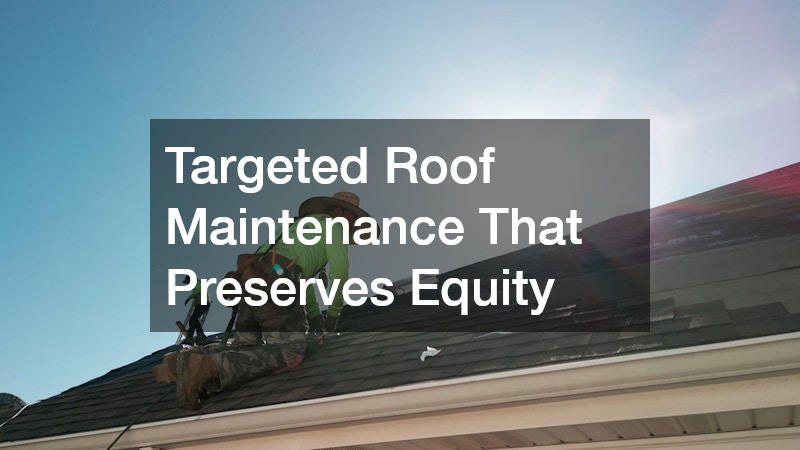
Full replacement is not always necessary, especially when roofs are structurally sound but showing early signs of wear. Strategic maintenance plays a key role in extending roof life and protecting equity.
Timely local roof repairs can address vulnerable areas such as flashing, vents, valleys, and transitions where leaks most often begin. These repairs are far less expensive than full replacement and can prevent damage that spreads into insulation, drywall, and framing. Addressing small issues early also helps preserve interior finishes, reducing the likelihood of additional repair costs later.
Maintenance also matters from a documentation standpoint. Buyers and inspectors pay close attention to repair history. A roof that has been monitored and maintained regularly appears far less risky than one that has been ignored, even if both are the same age. Maintenance records demonstrate proactive ownership and can help justify the asking price during negotiations.
Routine inspections, especially after severe weather, allow homeowners to catch problems before they worsen. Cleaning debris from valleys, ensuring proper drainage, and checking sealants all contribute to long-term performance. By treating roof maintenance as an ongoing investment rather than a reactive task, homeowners can extend roof lifespan while maintaining buyer confidence.
Effective roof maintenance includes:
- Inspecting after major storms or temperature swings
- Clearing debris from valleys and drainage areas
- Resealing penetrations and exposed fasteners
- Repairing small leaks immediately
- Keeping records of all inspections and repairs
Consistent maintenance preserves value, delays major expenditures, and demonstrates responsible ownership to future buyers.
Enhancing Curb Appeal Through Smart Outdoor Investments
Curb appeal is more than aesthetics; it sets expectations. Buyers often subconsciously assign value based on exterior condition before entering the home. A neglected exterior can make even updated interiors feel less impressive, while a well-maintained one builds confidence before a showing even begins.
Professional landscaping services help homeowners design outdoor spaces that frame the home attractively while remaining practical. Clean lines, balanced plantings, and defined borders create a sense of order and care without overwhelming future owners. Thoughtful plant selection also minimizes long-term maintenance, which buyers increasingly value.
Routine lawn care is equally important. Healthy turf, trimmed edges, and weed control contribute to a cohesive look that photographs well and maintains appeal throughout the selling season. Consistency matters more than complexity; an evenly maintained yard is far more effective than elaborate features that feel costly or difficult to manage.
Seasonal upkeep further reinforces value. Clearing debris, refreshing mulch, and maintaining walkways help ensure the exterior looks inviting year-round. These efforts signal responsible ownership and reduce perceived future work for buyers.
High-return outdoor improvements typically focus on:
- Clear pathways and welcoming entry points
- Proper grading and drainage away from the foundation
- Low-maintenance plant selections suited to the climate
- Seasonal cleanup and debris removal
- Consistent upkeep rather than one-time cosmetic fixes
Outdoor investments work best when they support ease of maintenance and visual clarity rather than complexity.
Upgrading Floors to Modernize Living Spaces
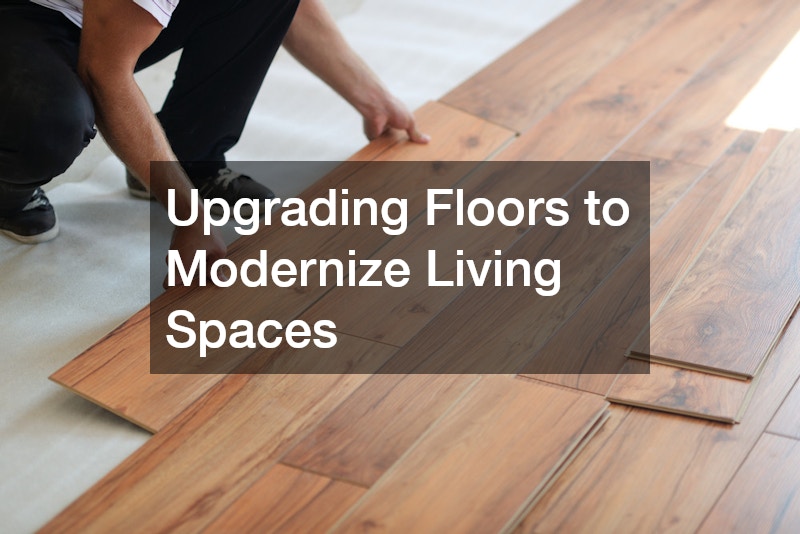
Flooring has a powerful impact on how buyers perceive cleanliness, quality, and cohesion. Outdated or damaged floors can undermine even the most expensive renovations elsewhere in the home, creating a disconnect between appearance and perceived maintenance.
Modern flooring choices help unify spaces, reduce visual clutter, and improve perceived square footage. Continuous flooring through main living areas creates visual flow, making homes feel larger and more intentional. Buyers also tend to favor materials that balance durability with comfort, especially in high-traffic zones such as entryways, kitchens, and living rooms.
Visiting a local flooring store allows homeowners to evaluate materials in person, compare durability ratings, and receive guidance on installation requirements. Local expertise helps ensure flooring choices perform well under regional conditions, including humidity, temperature changes, and common wear patterns. Proper installation is just as important as material selection, as poorly installed floors can quickly diminish value.
Neutral tones and timeless styles generally offer the best return by appealing to the widest audience. Flooring that complements wall colors and cabinetry creates a cohesive look that feels move-in ready rather than dated.
- Use consistent materials across open-concept areas
- Choose neutral tones that complement wall colors
- Prioritize moisture-resistant options where appropriate
- Replace worn transitions and thresholds
- Coordinate installation timing with painting and trim work
Flooring upgrades are most effective when they improve both appearance and functionality without introducing maintenance concerns.
Remodeling Kitchens With Return on Investment in Mind
Kitchens remain one of the strongest drivers of buyer interest and appraisal value. However, the highest returns rarely come from luxury finishes alone. Instead, buyers respond to kitchens that feel functional, efficient, and well-maintained.
Strategic kitchen remodeling focuses on improving layout, storage, and usability rather than excessive customization. Simple improvements often outperform full renovations in terms of cost-to-value ratio.
Homeowners should prioritize:
- Logical workflow between cooking, cleaning, and storage areas
- Updated cabinet hardware or refaced cabinets
- Durable, neutral countertop materials
- Improved lighting for work and ambiance
- Energy-efficient appliances
Avoiding overly personal design choices helps ensure the kitchen appeals to the broadest audience possible.
Coordinating Projects to Maximize Value and Minimize Waste
Remodeling projects often fail to deliver full value because of poor sequencing. Installing finishes before addressing underlying issues can lead to rework, damage, and unnecessary costs.
Effective coordination starts with addressing exterior and structural elements first, followed by systems, and finally cosmetic finishes. This approach protects investments and ensures each upgrade builds on the previous one.
Homeowners can improve coordination by:
- Creating a comprehensive project roadmap
- Scheduling disruptive work together
- Communicating timelines clearly across trades
- Tracking budgets and scope changes carefully
- Avoiding overlapping work that increases labor costs
Well-coordinated projects feel intentional, reduce stress, and produce more cohesive results that buyers notice.
Increasing property value through remodeling is less about spending more and more about spending wisely. The most successful upgrades protect the structure, modernize key spaces, and enhance overall presentation without exceeding market expectations.
By focusing on durability, functionality, and buyer appeal, homeowners can make improvements that deliver both immediate enjoyment and long-term financial return. Strategic planning, thoughtful sequencing, and realistic budgeting transform remodeling from a costly gamble into a calculated investment.
When homeowners approach upgrades with a value-driven mindset, they not only improve resale potential but also create homes that feel well cared for, efficient, and ready for the future. This approach reduces the likelihood of overcapitalizing on projects that buyers may not value and helps ensure that each improvement supports the home as a whole rather than standing alone.
Over time, value-focused remodeling also builds confidence. Homeowners who understand how upgrades impact inspections, appraisals, and buyer perception are better equipped to make decisions without pressure or regret. Instead of reacting to trends or short-term impulses, they can evaluate projects based on performance, longevity, and return.
Ultimately, smart remodeling is about balance, enhancing comfort and aesthetics today while preserving flexibility and equity for tomorrow. By investing with intention and foresight, homeowners position their property to perform well in any market, ensuring that improvements continue to deliver value long after the work is complete.