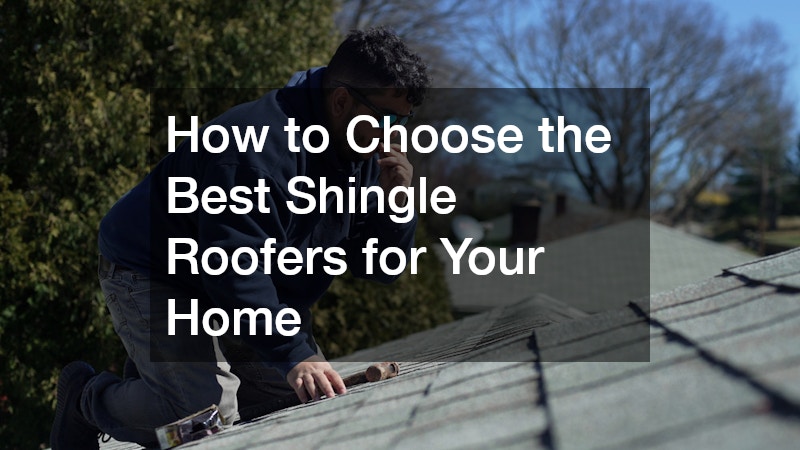
Understanding the importance of selecting the right shingle roofers for your home can save you time, money, and potential future headaches. This article will guide you through the essential considerations you need to make an informed decision.
What qualifications should shingle roofers have?
Researching Licensing and Certifications
To ensure your roofer is qualified, it’s crucial to explore the necessary licenses and certifications they must hold in your area. These credentials not only guarantee legal operation but also demonstrate a basic level of expertise and professionalism.
Licenses are often required by state laws and can vary significantly depending on your location. Checking them can help you confirm that the roofer meets the minimum industry standards for safety and building codes.
Moreover, certifications from reputable manufacturers or industry bodies can highlight a roofer’s commitment to their trade. Such credentials indicate that the roofer has gone through specific training and is knowledgeable in using certain roofing materials or techniques.
Checking Professional Affiliations
Professional affiliations can offer a deeper insight into a roofer’s dedication to quality work. Roofers who are part of associations, such as the National Roofing Contractors Association, often have access to broader resources and industry standards.
These associations provide networking opportunities and continued education, which are vital for staying updated with the latest roofing technologies and practices. Being a member of such bodies can reflect a roofer’s proactive approach to their profession.
Additionally, affiliation with industry organizations can enhance a roofer’s credibility and trustworthiness. It underscores a commitment to adhere to established industry standards and ethical work practices.
How do I verify a roofer’s experience and reputation?
Reading Reviews and Testimonials
Customer reviews and testimonials are invaluable in assessing a roofer’s reliability and professionalism. They provide firsthand accounts of past customers’ experiences, which can reveal consistent patterns in service quality.
When reading reviews, pay attention to recurring praises or complaints which can point to the roofer’s strengths and weaknesses. Consider the context of each review to understand if it aligns with your expectations and requirements.
In addition to general sentiment, look for specific feedback on adherence to project timelines, communication, and attention to detail. Positive testimonials often emphasize satisfaction with the final result and the ease of the entire process.
Evaluating Past Project Portfolios
Reviewing a roofer’s past projects can provide deep insights into their experience and craftsmanship. A comprehensive portfolio should showcase a variety of styles, materials, and project complexities.
Analyzing these projects lets you gauge whether the roofer’s expertise aligns with your particular roofing needs. It also allows you to assess the aesthetic quality and durability of their work.
Moreover, a diverse portfolio speaks to the roofer’s adaptability to different challenges and customer preferences. This versatility is crucial for ensuring your shingle roof not only functions well but also complements your home’s appearance.
What should I expect in a roofing contract?
Understanding Scope of Work and Costs
A detailed roofing contract is essential for outlining the scope of work and the associated costs. It serves as a roadmap for your project, delineating the specifics of material usage, project timeline, and payment schedule.
Clarity in these details helps prevent misunderstandings and provides a benchmark for measuring progress. The contract should highlight key deliverables and any allowances for unforeseen expenses.
Ultimately, understanding every aspect of the contract ensures that both parties are aligned in expectations. This alignment helps foster a smooth and cooperative working relationship throughout the duration of the project.
Checking Warranty and Insurance Coverage
Warranty and insurance coverage are pivotal in safeguarding your investment. They protect against potential flaws in materials or installation, offering peace of mind for the longevity of your roof.
A solid warranty should be clear in terms of duration and coverage specifics, including any limitations. This coverage often varies based on the roofer’s policies and the materials used.
Insurance is equally critical, as it covers any accidents or damage that may occur during the project. Ensuring your roofer has adequate liability and workers’ compensation insurance protects you from potential liabilities.
Armed with the right information, you can confidently choose shingle roofers that meet your needs, ensuring a durable and aesthetically pleasing roof for your home. By considering these factors—qualifications, reputation, and a detailed contract—you maximize the value and longevity of your roofing investment. Ultimately, the decision you make today will impact the safety, efficiency, and appearance of your home for years to come.