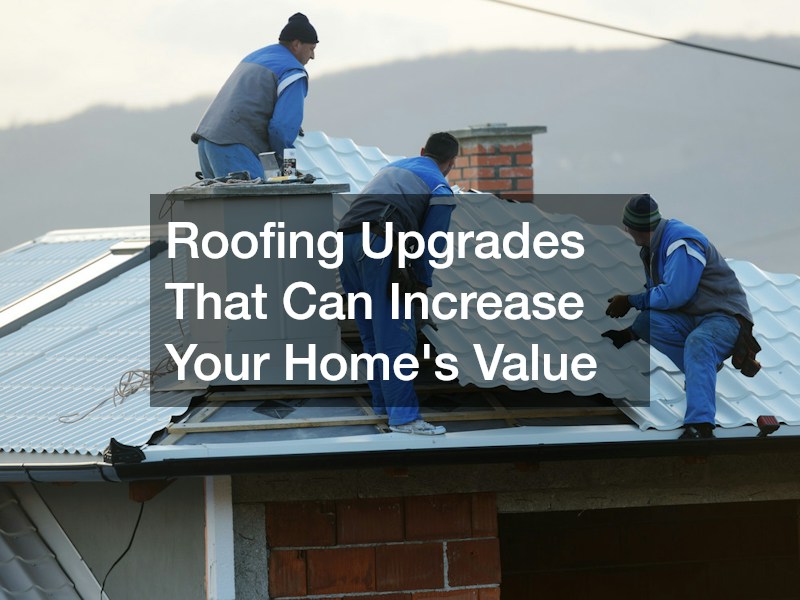
Your roof does more than protect your home from rain, wind, heat, and changing weather. It also plays a major role in curb appeal, maintenance costs, energy performance, and how future buyers perceive the overall condition of the property. A roof that appears neglected may raise concerns about hidden damage, while one that has been well maintained can make a home feel more cared for.
That doesn’t mean every homeowner needs to replace the entire roof to add value. In many cases, addressing small problems early, improving ventilation, upgrading worn materials, or correcting drainage issues may be more practical than a full replacement.
It’s also important to look beyond appearance. A roof may look acceptable from the street but still have issues with flashing, moisture, decking, or ventilation. Before spending heavily on cosmetic projects elsewhere, consider whether the roof needs attention first.
The following upgrades and maintenance strategies can help protect your property, improve its appearance, and support long-term value.
Inspect the Roof Before Spending on Cosmetic Upgrades
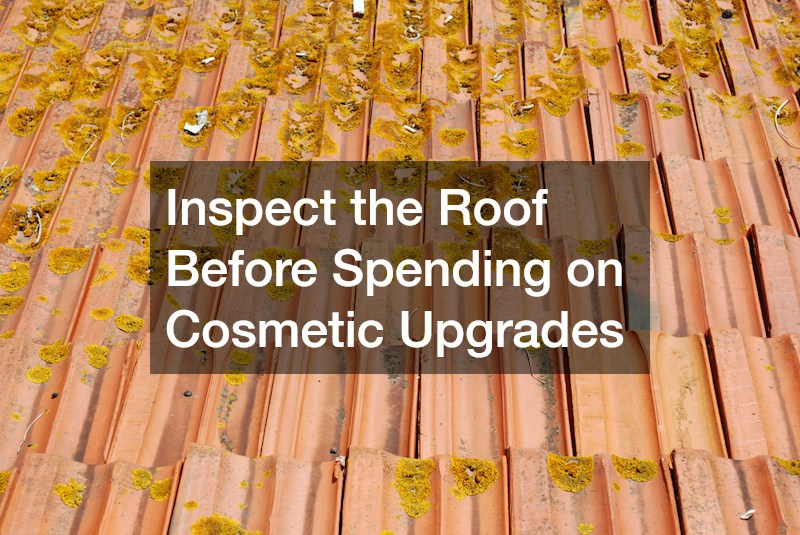
Before replacing siding, repainting the exterior, or investing heavily in landscaping, evaluate the roof. Problems above the living space can eventually damage many of the improvements below it.
Start with a basic inspection from the ground. Look for visible warning signs such as:
- Missing or damaged shingles: Cracked, curled, loose, or missing materials may allow moisture to enter.
- Uneven areas: Sagging or wavy sections may deserve further evaluation.
- Discoloration: Dark streaks, moss, or unusual staining can indicate moisture or organic growth.
- Damaged flashing: Areas around chimneys, walls, skylights, and vents are common leak points.
- Debris buildup: Leaves and branches can collect in valleys and interfere with drainage.
- Exposed fasteners: Loose nails or screws may allow water into the roofing system.
If you notice these conditions, a local roofer can inspect the affected areas more closely and determine whether you’re dealing with minor maintenance or broader deterioration.
The attic is another useful place to check. Look for water stains, damp insulation, musty odors, rusty fasteners, or light entering where it shouldn’t. Water can sometimes travel along framing before becoming visible on a ceiling, so a lack of interior staining doesn’t always mean the roof is problem-free.
Getting more than one opinion may also be worthwhile if the condition isn’t clear. Established roofers may recommend different approaches, so compare the reasoning behind each recommendation rather than looking only at price.
Ask specific questions. If a section needs replacement, find out why. If a complete replacement is suggested, ask which conditions make repairs impractical.
Keep records of:
- Roof age
- Previous repairs
- Leak locations
- Storm damage
- Flashing work
- Warranty information
- Photographs of repairs
Inspections are also useful after severe weather. High winds and falling branches may cause damage that’s easy to miss from inside the house.
The goal isn’t to worry about every imperfection. It’s to catch problems early enough to prevent damage to insulation, drywall, flooring, framing, and other parts of the home.
Decide Whether Repair or Replacement Provides Better Value
Once you’ve identified a problem, the next decision is whether to correct the affected area or replace the larger system.
Roof repair may be appropriate when the damage is limited and the surrounding materials still have useful life. Replacing a few damaged shingles, fixing flashing, or correcting a small leak can sometimes extend the life of an otherwise healthy roof.
Age changes the equation. If the materials are already approaching the end of their expected lifespan, paying repeatedly for isolated repairs may become less practical.
Signs that broader work may deserve consideration include:
- Leaks in multiple locations
- Widespread curling or cracking
- Repeated flashing failures
- Extensive storm damage
- Moisture beneath large areas
- Significant deterioration of underlying materials
- Increasingly frequent service calls
A full roof installation may offer better long-term value when deterioration is widespread or when repairing one area simply delays work that will soon be necessary elsewhere.
Your ownership timeline matters too. If you expect to stay for many years, replacing an aging system may allow you to benefit from reduced maintenance and improved appearance. If you’re preparing to sell, the decision should also take the local market and overall condition of the property into account.
Don’t compare only the initial cost. Consider:
- Remaining service life
- Frequency of repairs
- Interior damage caused by leaks
- Whether replacement will soon be necessary anyway
- How long you plan to own the house
- Warranty coverage
- Availability of matching materials
Ask for written scopes of work. Two estimates with similar prices may include very different services.
For replacement, find out whether removal, underlayment, flashing, ventilation, disposal, and damaged decking are included. For repairs, ask whether the work addresses the cause of the problem rather than simply covering the visible symptom.
After any work is completed, save invoices, warranties, photos, and product information. That documentation can help with future maintenance and provide useful information to buyers later.
Choose Materials That Fit the Home and Climate

If replacement becomes necessary, material selection can affect appearance, durability, maintenance, and cost for many years.
Appearance matters, but practical considerations should come first. Roof pitch, climate, weather exposure, neighborhood expectations, and the existing structure all affect which materials make sense.
Asphalt shingles remain common because they’re available in many styles and price ranges. Metal systems may provide longer service life and a different architectural appearance. Low-slope sections may require products designed specifically for reduced pitches.
A roofing company can explain which materials are appropriate for the structure rather than simply providing a list of options.
Before selecting a product, ask:
- Is it appropriate for the roof’s slope?
- How does it perform in the local climate?
- What maintenance does it require?
- What type of underlayment is needed?
- How will valleys and penetrations be treated?
- What warranty applies?
- Are there HOA or local restrictions?
- Does it fit the style of the house?
Climate should influence the decision. Strong sunlight, wind, hail, snow, and heavy rainfall create different demands. An experienced roofing contractor can explain how specific products perform under local conditions.
Avoid assuming the most expensive material automatically creates the greatest increase in value. Premium products may offer benefits, but they don’t always produce an equal increase in resale price.
Consider nearby homes as well. If most comparable properties use similar materials, spending far beyond the neighborhood standard may not provide the return you expect.
Color deserves attention too. The roof occupies a large visual area and affects how siding, trim, brick, stone, and landscaping appear.
View physical samples outdoors whenever possible. Computer screens and indoor lighting can distort color. Neutral, versatile choices may also provide more flexibility if you update siding, shutters, or trim later.
The goal is to choose a material that suits the structure, climate, maintenance requirements, and overall character of the home.
Consider Specialty Roofing Improvements Where They Make Sense

Not every property has one simple pitched roof. Porches, garages, additions, and certain architectural styles may include sections with different slopes or materials.
Metal roofing may appeal to homeowners looking for durability, lower maintenance, or a particular architectural style. Options range from standing-seam panels to products designed to resemble more traditional materials.
Installation details matter. Seams, fasteners, flashing, underlayment, edges, and penetrations all affect performance.
Metal roofers can evaluate an existing system or determine whether a new metal system is appropriate for the structure.
If you’re considering metal, ask about:
- Panel type
- Coatings and finishes
- Fastener systems
- Underlayment
- Expansion and contraction
- Flashing details
- Maintenance requirements
Low-slope areas present different challenges because water drains more slowly. Porches, additions, garages, and certain modern designs may use membranes designed for these conditions.
Rubber roofers commonly work with membrane systems that create a water-resistant surface over low-slope areas.
These areas require close attention around drains, walls, vents, skylights, and transitions to pitched sections. Standing water can indicate poor drainage, low spots, blocked outlets, or another issue that should be corrected.
Transitions between different materials are especially important. A pitched roof may discharge a large amount of water onto a lower section, so that area must be designed to handle the additional runoff.
Specialty systems still need maintenance. Metal surfaces may require inspection around fasteners and flashing, while membrane roofs can develop punctures or seam problems.
The best specialty upgrade is one selected because it fits the structure and solves a practical need, not simply because it’s viewed as a premium material.
Strengthen the Roof Structure and Supporting Components
The material visible from the street is only one part of the roofing system. Underneath are components that support the surface and help manage moisture and airflow.
The roof deck provides the base for the finished materials. Damage may develop from leaks, condensation, poor ventilation, or previous installation problems. Some deterioration won’t become visible until existing materials are removed.
During replacement, damaged areas should be repaired rather than covered. On properties with structural metal assemblies, local roof metal decking services may be needed to evaluate or replace deteriorated sections.
Ask how the deck will be inspected and what happens if damage is discovered.
Useful questions include:
- How will damaged areas be identified?
- How is additional replacement priced?
- What material will be used?
- Will photographs be provided?
- Will unexpected work be discussed before proceeding?
Residential roofers should also look at ventilation, flashing, underlayment, and penetrations rather than focusing only on the finished surface.
Ventilation is especially important. Attic systems often rely on both intake and exhaust openings to manage heat and moisture. Blocked intake vents or insufficient airflow may contribute to condensation and deterioration.
Flashing deserves similar attention. Many leaks occur around chimneys, walls, skylights, valleys, and plumbing vents rather than through the middle of an uninterrupted roof surface.
Underlayment and perimeter details also help manage water that reaches beneath the exterior materials.
When planning a major upgrade, ask how all of these components will be handled. Replacing the visible surface while ignoring deteriorated decking, ventilation, or flashing can limit the performance of the entire project.
Hidden improvements may not change curb appeal, but they help protect the investment you’ve made in the finished roof.
Make Roofing Decisions With Long-Term Property Value in Mind
The strongest roofing upgrades aren’t necessarily the most expensive. They’re the projects that address actual problems, protect the structure, and fit your long-term plans for the home.
Begin with anything that needs immediate attention, including active leaks, moisture problems, deteriorated materials, or structural concerns. Then consider what the property may need during the next several years. Regular inspections can also help you spot developing issues before they become larger and more expensive repairs.
Your ownership timeline should guide your decisions. If you plan to stay for many years, durability and reduced maintenance may matter most. If you’re preparing to sell, correcting visible damage and deferred maintenance may become a higher priority. It can also be helpful to consider how the condition of your roof compares with similar homes in your area.
It can help to divide potential projects into immediate repairs, future improvements, and cosmetic changes. This makes budgeting easier and keeps less important upgrades from taking priority over work that protects the house. Planning projects in stages can also make larger improvements more manageable financially.
Think about the entire property rather than the roof in isolation. Water entering from above can damage ceilings, insulation, walls, floors, and other improvements. Investing heavily in interior renovations while ignoring exterior deterioration can put those projects at risk. Keeping records of inspections, repairs, warranties, and replacement dates can also make future maintenance decisions easier.
A well-maintained roof can strengthen curb appeal, reduce concerns about deferred maintenance, protect the structure, and help the property present itself as a home that has been cared for. By focusing on condition, durability, and long-term needs rather than trends alone, you can make improvements that benefit your home now while supporting its future value.