
Real estate investors often enter renovation projects with a clear vision: modern finishes, higher resale value, stronger rental income, and a faster return on investment. What many do not anticipate is how quickly small mistakes made early in the process can multiply into major financial setbacks later.
A property that appears manageable on the surface may hide expensive structural concerns, outdated systems, moisture damage, or poor workmanship from previous owners. Investors who rush into cosmetic upgrades before addressing foundational issues frequently end up paying twice for the same work. A beautifully remodeled kitchen loses its appeal quickly when plumbing leaks damage new cabinets or an aging roof begins leaking during the first heavy storm.
The most successful investors approach renovations strategically rather than emotionally. Instead of focusing only on what buyers or tenants will immediately notice, they evaluate how every improvement contributes to durability, efficiency, maintenance reduction, and long-term profitability.
Avoiding the mistakes below can help investors protect their budgets, reduce project delays, and create properties that perform better for years after the renovation is complete.
Prioritizing Structural Integrity Before Cosmetic Upgrades
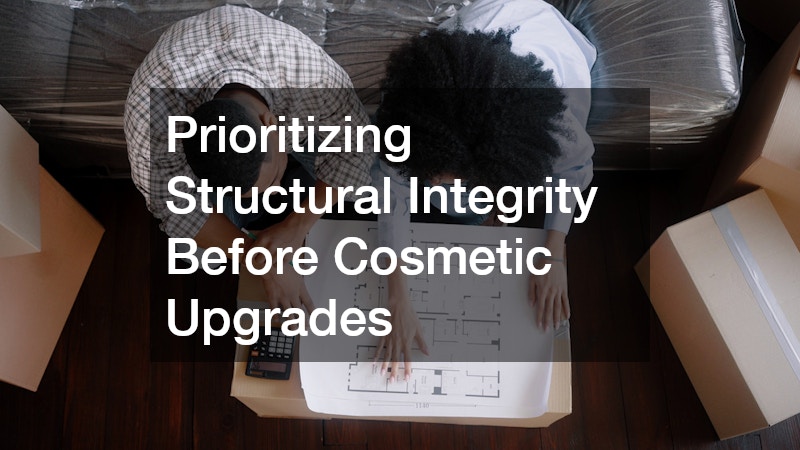
One of the most common mistakes investors make is spending heavily on visual improvements before inspecting the structural condition of the property. New paint, upgraded countertops, and trendy fixtures can distract from larger issues temporarily, but they will not solve underlying problems.
A home with hidden roofing damage, foundation shifts, or deteriorating support systems can consume renovation budgets unexpectedly. In many cases, investors discover these problems only after demolition begins.
Consider a scenario where an investor purchases a property intending to complete a quick cosmetic flip in six weeks. During drywall removal, water stains appear around ceiling joists. Further inspection reveals years of moisture intrusion and severe roof deterioration. The investor now faces extensive repairs, delayed timelines, and a dramatically reduced profit margin.
This situation is extremely common when buyers skip comprehensive inspections before purchasing investment properties.
Identifying Expensive Problems Before Renovation Begins
Early inspections should focus on:
- Roof age and water intrusion
- Foundation cracks or uneven settling
- Signs of mold or moisture
- Electrical capacity
- HVAC functionality
- Plumbing integrity
- Drainage around the property
Paying for detailed evaluations upfront may feel expensive initially, but it is far less costly than uncovering major defects halfway through renovations.
When major roofing issues exist, investors often debate whether repairs are sufficient or whether a full residential roof replacement is the smarter long-term investment. While patchwork solutions may save money temporarily, repeated repairs often become more expensive over time.
Experienced roofing contractors can help investors determine whether the roof still has meaningful life remaining or whether replacement better protects the property’s long-term value. More importantly, qualified professionals can identify ventilation issues and hidden water damage that may otherwise go unnoticed.
The key lesson is simple: structural systems should always come before aesthetics.
Evaluating Comfort and Energy Performance Early
Many investors underestimate how strongly heating and cooling systems influence buyer perception. Even visually impressive properties can feel uncomfortable if airflow is inconsistent, humidity levels remain high, or indoor temperatures fluctuate constantly.
Older HVAC systems often create hidden operational costs that buyers and renters immediately recognize through utility bills.
In warmer climates especially, outdated air conditioning systems can become a major negotiation issue during resale. Buyers today are more conscious of monthly operating expenses than many investors realize. A property that looks beautiful but struggles to maintain indoor comfort may sit on the market longer than expected.
Rather than automatically replacing every HVAC component, investors should evaluate performance strategically.
Questions Worth Asking Before Upgrading Systems
- Is the current system appropriately sized for the home?
- Are duct leaks reducing efficiency?
- Does insulation need improvement first?
- Have filters, vents, and airflow pathways been inspected?
- Would a partial upgrade improve performance sufficiently?
In some cases, simple efficiency improvements dramatically improve system performance without requiring full replacement. In other situations, delaying upgrades creates larger costs later when systems fail during peak weather conditions.
Investors who prioritize comfort alongside aesthetics often create homes that feel noticeably more livable during showings. That emotional response can significantly influence buyer decisions.
Addressing Hidden Water and Sewer Problems Before Remodeling
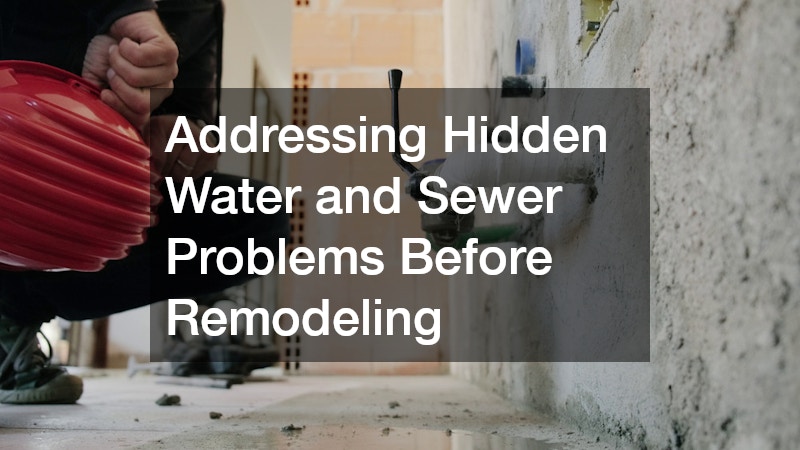
Water damage is one of the most destructive and expensive issues investors encounter during renovations. Unfortunately, many plumbing problems remain invisible until demolition exposes them.
A newly remodeled bathroom means very little if sewage backups later damage flooring, drywall, or cabinetry.
One particularly costly oversight involves failing to inspect underground sewer systems before renovation begins. Older homes frequently contain aging pipes, root intrusion, collapsed lines, or improper drainage slopes.
A clogged sewer line can quietly affect the entire plumbing system while producing only subtle warning signs initially. Slow drains, recurring odors, bubbling toilets, or occasional backups often indicate larger problems beneath the surface.
Ignoring these signs can become disastrous after renovations are complete.
Preventative Steps Investors Often Skip
Experienced investors frequently schedule sewer inspections before purchasing older properties. Camera inspections can reveal:
- Tree root intrusion
- Pipe corrosion
- Bellied sewer lines
- Cracks or collapses
- Grease buildup
- Improper repairs from previous owners
Professional plumbers can help determine whether spot repairs are sufficient or whether larger system upgrades are necessary before remodeling begins.
This preventative approach may not feel exciting compared to selecting finishes or fixtures, but it protects every renovation investment made afterward.
Selecting Materials That Balance Durability and Cost
Flooring decisions create another major challenge for investors. Many attempt to minimize costs by choosing the cheapest available materials, assuming appearance matters more than durability.
That approach often backfires.
Rental properties, entryways, kitchens, and multi-family units experience heavy foot traffic. Inexpensive flooring products may begin deteriorating within months, creating additional replacement costs and reducing tenant satisfaction.
Savvy investors evaluate flooring based on long-term performance rather than upfront price alone.
For example, luxury vinyl products have become increasingly popular because they resist moisture, handle traffic well, and offer attractive aesthetics at moderate price points. However, installation quality matters just as much as the material itself.
Poor seams, uneven subfloors, and rushed installations can cause premature wear regardless of product quality.
Experienced vinyl flooring installers understand how to prepare subfloors properly, manage moisture concerns, and create clean transitions that improve durability over time.
Features Investors Should Prioritize
Rather than chasing trends, investors often benefit more from materials that provide:
- Easy maintenance
- Moisture resistance
- Scratch durability
- Neutral appearance
- Long manufacturer warranties
A flashy design may attract initial attention, but durable materials ultimately reduce maintenance calls and replacement expenses.
In many successful renovations, the smartest upgrades are not the most dramatic visually. They are the ones that quietly continue performing year after year.
Preventing Exterior Drainage Problems From Escalating
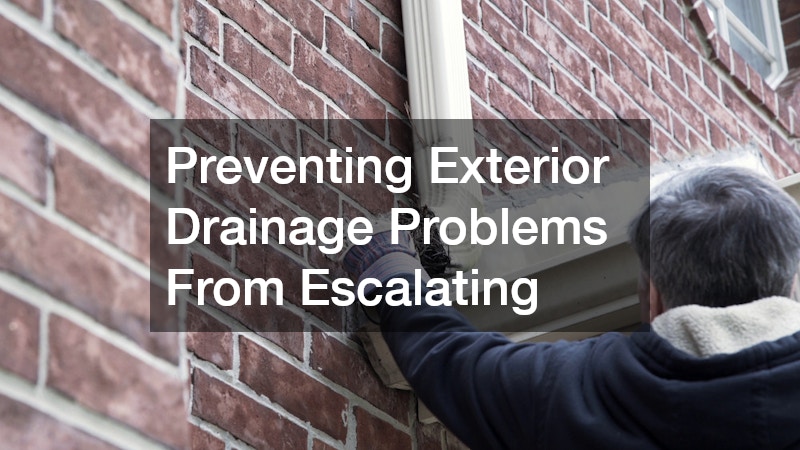
Exterior maintenance rarely receives the attention it deserves during renovations. Investors often focus heavily on interiors while ignoring the systems responsible for protecting the structure itself.
Drainage problems are especially dangerous because they develop gradually.
Overflowing gutters, improper grading, and neglected downspouts can direct water toward foundations, siding, crawlspaces, and basements for years before severe damage becomes obvious.
In one common scenario, an investor renovates a property beautifully inside but ignores years of exterior drainage buildup. Six months later, heavy rain leads to basement moisture intrusion that damages freshly installed flooring and drywall.
The renovation itself was not the issue. The neglected drainage system was.
Routine gutter cleaning plays a far larger role in property preservation than many investors realize. Clogged systems allow water to overflow unpredictably, often causing:
- Foundation erosion
- Fascia damage
- Mold growth
- Landscape deterioration
- Roof edge rot
- Basement leaks
Creating a Long-Term Maintenance Mindset
Smart investors build maintenance planning directly into renovation budgets rather than treating it as an afterthought.
This often includes:
- Scheduling seasonal inspections
- Improving drainage slopes
- Extending downspouts away from foundations
- Checking attic ventilation
- Monitoring exterior moisture exposure
Properties that remain structurally dry typically retain value better and experience fewer emergency repair costs over time.
Choosing Contractors Based on Reliability Instead of Price Alone
Nearly every investor eventually learns the same difficult lesson: the cheapest contractor rarely stays the cheapest.
Poor communication, rushed workmanship, incomplete permits, and scheduling delays can quickly erase any upfront savings.
Many renovation disasters begin with investors hiring contractors based entirely on price quotes without properly evaluating experience, licensing, or reliability.
This becomes particularly problematic with specialized installations.
For example, garage doors influence curb appeal, security, insulation, and daily functionality. Hiring an inexperienced garage door company may result in alignment issues, premature wear, or unsafe installation practices.
Investors should approach contractor selection more like assembling a business partnership rather than purchasing a commodity service.
Questions Worth Asking Before Hiring
Instead of focusing only on cost, investors should ask:
- How long have you handled similar projects?
- Can you provide recent references?
- Are permits included?
- What warranties are offered?
- Who handles inspections?
- How are delays communicated?
In some cases, full replacement is unnecessary and targeted local garage door repair provides a more cost-effective solution while preserving functionality and curb appeal.
Knowing when repairs make sense versus replacement requires honest contractor guidance. Reliable professionals typically explain both options clearly instead of automatically recommending the most expensive route.
The right contractor relationship can dramatically reduce stress throughout a renovation project.
Avoiding Temporary Plumbing Fixes That Create Future Problems
Many inexperienced investors focus heavily on visible improvements while postponing plumbing repairs that do not appear urgent initially.
This creates serious long-term risks.
Temporary fixes often hide recurring issues rather than solving them. Chemical products, improvised pipe patches, or incomplete repairs may appear successful for a few weeks while underlying problems continue worsening.
Drainage systems deserve especially careful attention during renovations.
A recurring blockage may seem minor initially, but repeated backups can indicate larger problems involving buildup, pipe deterioration, or improper slope conditions. Relying repeatedly on store-bought drain cleaner products without understanding the actual source of the problem often delays necessary repairs.
The result is usually more expensive restoration later.
Recognizing When Small Problems Are Becoming Bigger Ones
Investors should pay attention to warning signs like:
- Multiple slow drains simultaneously
- Frequent backups
- Persistent odors
- Gurgling sounds
- Water pooling unexpectedly
Addressing these issues proactively during renovation is almost always cheaper than repairing damage after tenants move in or after a property sells.
This section of renovation planning is rarely glamorous, but it directly affects long-term ownership costs and reputation.
A property known for repeated plumbing issues quickly becomes difficult to manage profitably.
Building Realistic Budgets and Timelines From the Start
Perhaps the most dangerous renovation mistake investors make is assuming everything will go according to plan.
Even well-managed projects encounter surprises. Material delays, inspection requirements, weather conditions, hidden damage, labor shortages, and permit complications all affect timelines and budgets.
Experienced investors expect setbacks rather than assuming perfect execution.
One major difference between successful and unsuccessful projects is contingency planning. Investors who allocate realistic reserve funds can adapt calmly when unexpected repairs emerge. Those operating with extremely tight budgets often make rushed decisions under pressure.
That pressure frequently leads to lower-quality work.
Creating Smarter Renovation Budgets
A realistic renovation budget usually includes:
- Labor costs
- Material costs
- Permit fees
- Inspection expenses
- Contingency reserves
- Temporary utilities
- Cleanup and disposal
- Unexpected structural repairs
Many investors underestimate holding costs as well. Every additional week spent renovating impacts financing costs, insurance, taxes, and lost rental income.
Rather than trying to complete everything simultaneously, some investors phase renovations strategically. This allows them to address critical systems first while delaying less urgent cosmetic upgrades.
That approach often improves cash flow management and reduces project stress considerably.
Understanding the Difference Between Value and Trendiness
Not every popular design trend increases profitability.
In fact, highly customized finishes sometimes narrow buyer appeal unnecessarily. Durable, neutral, and functional upgrades often generate stronger long-term returns than dramatic stylistic choices.
The most profitable renovations usually share several characteristics:
- Easy maintenance
- Broad buyer appeal
- Reliable infrastructure
- Efficient systems
- Durable materials
- Low future repair risk
Investors who stay disciplined about these fundamentals often outperform those chasing purely visual transformations.
Making Renovation Decisions With Long-Term Performance in Mind
Successful real estate investing is rarely about creating the flashiest property on the block. More often, it involves making thoughtful decisions that reduce risk, improve functionality, and preserve value over time.
The biggest renovation mistakes usually happen when investors prioritize speed or appearance over planning and durability. Cosmetic upgrades can certainly increase appeal, but they cannot compensate for neglected structural systems, plumbing failures, drainage problems, or poor workmanship.
Investors who approach renovations strategically tend to make calmer, more profitable decisions. They inspect thoroughly before purchasing, hire experienced professionals carefully, budget conservatively, and address foundational issues before moving to cosmetic improvements.
Over time, those habits create properties that not only look better during showings but also perform better financially long after renovations are complete.