Owning a home offers a sense of independence and long-term security, but it also brings ongoing responsibilities that many homeowners only fully understand over time. Unlike renting, where maintenance is often handled by a landlord, homeowners must take an active role in identifying, managing, and resolving issues as they arise. From small inconveniences to major system failures, repairs are an inevitable part of maintaining a property.
Over time, every home experiences wear and tear. Materials degrade, systems become less efficient, and environmental exposure takes its toll. What may start as a minor issue—such as a small leak or a loose fixture—can quickly escalate into a costly repair if left unaddressed. Understanding the most common home repairs allows homeowners to anticipate these problems, respond early, and avoid unnecessary expenses.
This guide explores the most common home repairs homeowners encounter, explains why they occur, and provides practical insight into how to handle them effectively. With the right awareness and approach, homeowners can maintain a safe, functional, and comfortable living space while protecting their investment for years to come.
Why Do Home Repairs Become Inevitable Over Time?
No matter how well a home is built, time and usage gradually affect every component. Homes are constantly exposed to internal and external pressures—daily activities, changing weather conditions, and natural aging processes all contribute to gradual deterioration. Even high-quality materials have a lifespan, and without proper maintenance, their performance declines over time.
Environmental factors play a major role in this process. Rain, heat, humidity, and temperature fluctuations can weaken structural components and cause expansion and contraction in materials. Over time, this repeated stress leads to cracks, leaks, and other visible signs of wear. Inside the home, frequent use of plumbing, electrical systems, and appliances accelerates deterioration, especially in high-traffic areas.
Another important factor is delayed maintenance. Many homeowners postpone small repairs because they appear insignificant at first. However, these minor issues often serve as early warning signs of larger problems. Ignoring them allows damage to spread, making repairs more complex and expensive.
Understanding that repairs are a natural part of homeownership shifts the mindset from reactive to proactive. Instead of waiting for something to fail, homeowners can monitor their property regularly and address issues early. This approach not only reduces costs but also extends the life of key systems and components within the home.
What Are the Most Common Home Repairs Homeowners Face?
Across different types of homes and regions, certain repair issues appear consistently. These problems typically affect essential systems and areas that experience the most stress over time. Recognizing these common repairs helps homeowners prioritize maintenance and allocate resources effectively.
The most common home repairs often involve:
- Roofing and exterior damage
- Plumbing system failures
- Electrical issues and wiring problems
- HVAC system inefficiencies
- Structural wear and foundation concerns
Each of these areas plays a critical role in the overall functionality of a home. When one system fails, it can impact other parts of the house, creating a chain reaction of problems. For example, a roof leak can lead to water damage, which in turn affects insulation, walls, and even electrical systems.
Homeowners should also consider the age of their property. Older homes tend to require more frequent repairs due to outdated materials and aging infrastructure. However, even newer homes are not immune to issues, especially if construction quality or maintenance practices are lacking.
By understanding the most common home repairs, homeowners can take a more strategic approach to maintenance. This includes scheduling regular inspections, budgeting for repairs, and addressing issues before they escalate into major disruptions.
When Should You Be Concerned About Roof Damage?
The roof is one of the most critical components of any home, acting as the primary barrier against environmental elements. Because of its constant exposure to weather conditions, it is also one of the most vulnerable parts of the structure. Over time, even minor damage can compromise its effectiveness and lead to more serious issues inside the home.
Common warning signs of roof damage include:
- Missing, cracked, or curling shingles
- Water stains on ceilings or walls
- Sagging areas or uneven surfaces
- Granules accumulating in gutters
These signs often indicate that the roof’s protective layer is weakening. If left unaddressed, small issues can allow water to seep into the home, leading to mold growth, insulation damage, and structural deterioration.
Several factors contribute to roof problems. Weather conditions such as heavy rain, strong winds, and prolonged sun exposure can degrade materials over time. Poor ventilation can trap heat and moisture, accelerating wear. Additionally, improper installation or low-quality materials can shorten the lifespan of a roof.
Regular inspections are essential for maintaining roof health. Homeowners should check for visible damage after storms and schedule professional evaluations periodically. Addressing issues early helps prevent costly repairs and ensures that the roof continues to protect the home effectively.
How Do Plumbing Issues Develop in Homes?
Plumbing systems are used daily, making them one of the most frequently stressed components in any home. Over time, this constant use leads to wear, buildup, and eventual failure of pipes, fixtures, and drainage systems. Plumbing issues often start small but can quickly escalate if not addressed promptly.
Common plumbing problems include:
- Leaking faucets and pipes
- Clogged drains and slow water flow
- Low water pressure
- Running toilets
- Burst or frozen pipes
These issues can result from a variety of factors, including mineral buildup, corrosion, and improper usage. For example, grease and debris can accumulate in pipes, leading to blockages. Temperature changes can cause pipes to expand and contract, increasing the risk of cracks or bursts.
Water damage is one of the most significant risks associated with plumbing problems. Even a small leak can lead to mold growth, structural damage, and increased utility bills. Because water can spread quickly, early detection is crucial.
Regular maintenance and inspections help identify potential problems before they become severe. Homeowners should pay attention to unusual sounds, changes in water pressure, and visible leaks. Taking action early not only prevents damage but also reduces repair costs.
What Electrical Problems Should You Watch For?
Electrical systems are essential for modern living, powering everything from lighting to appliances. However, they can also pose serious risks if not properly maintained. Electrical problems often develop gradually, making it important for homeowners to recognize early warning signs.
Key indicators of electrical issues include:
- Flickering or dimming lights
- Frequent circuit breaker trips
- Burning smells near outlets or switches
- Warm or discolored electrical panels
These signs may indicate overloaded circuits, faulty wiring, or outdated electrical systems. Ignoring them can lead to serious hazards, including electrical fires and equipment damage.
Many homes, especially older ones, were not designed to handle the electrical demands of modern appliances. As a result, systems can become overloaded, leading to inefficiencies and safety concerns. Upgrading wiring and electrical panels can improve performance and reduce risks.
Because electrical work involves safety hazards, it is best handled by qualified professionals. Homeowners should avoid attempting complex repairs on their own and instead focus on identifying issues early and seeking expert assistance when needed.
Why Do HVAC Systems Require Frequent Repairs?
Heating, ventilation, and air conditioning (HVAC) systems play a crucial role in maintaining indoor comfort throughout the year. Because they operate continuously, especially during extreme weather conditions, they are subject to significant wear and tear.
Common HVAC issues include:
- Uneven heating or cooling
- Strange noises during operation
- Increased energy consumption
- Reduced airflow
These problems often result from dirty filters, worn-out components, or lack of maintenance. Over time, dust and debris can accumulate within the system, reducing efficiency and increasing strain on components.
Regular maintenance is essential for keeping HVAC systems functioning properly. This includes cleaning filters, inspecting ducts, and scheduling professional servicing. A well-maintained system operates more efficiently, reduces energy costs, and lasts longer.
Ignoring HVAC issues can lead to complete system failure, which is both inconvenient and expensive. Addressing minor problems early helps ensure consistent performance and prevents unexpected breakdowns.
How Can Structural Issues Affect Your Home?
Structural problems are among the most serious repairs a homeowner can face. These issues often develop slowly and may not be immediately noticeable. However, they can have significant consequences if left unaddressed.
Signs of structural concerns include:
- Cracks in walls or ceilings
- Uneven or sloping floors
- Doors and windows that do not close properly
- Gaps around frames or fixtures
These issues can result from foundation settling, moisture damage, or poor construction practices. Over time, structural weaknesses can compromise the safety and stability of the home.
Early detection is critical when dealing with structural problems. Homeowners should monitor changes in their property and seek professional evaluation if they notice unusual signs. Addressing these issues promptly helps prevent further damage and ensures the long-term integrity of the home.
What Problems Occur with Doors and Windows?
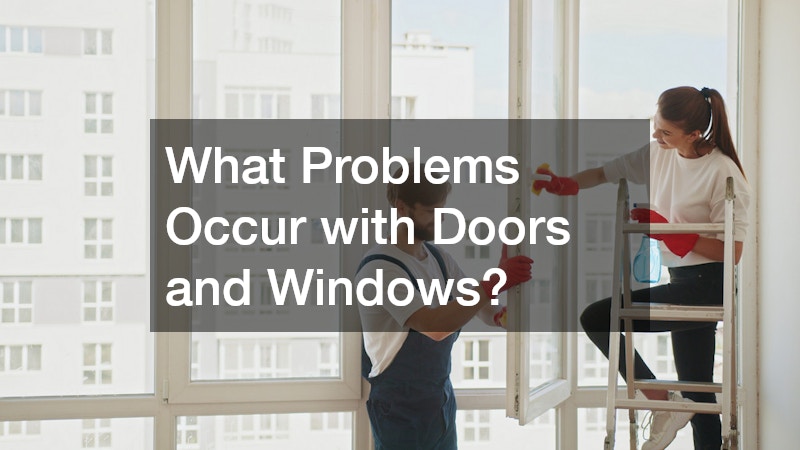
Doors and windows are essential for both functionality and energy efficiency. Over time, they can develop issues that affect performance, comfort, and even security. Because these components are used daily and exposed to changing weather conditions, they are particularly prone to wear and gradual deterioration.
Common problems include:
- Drafts and air leaks
- Difficulty opening or closing
- Broken seals or glass
- Visible wear and damage
Drafts and air leaks are among the most common concerns, especially in older homes. Gaps around frames or worn-out weatherstripping allow cold or hot air to enter, making it harder to maintain indoor temperatures. This not only reduces comfort but also forces heating and cooling systems to work harder, increasing energy costs over time.
Difficulty in opening or closing doors and windows can indicate issues such as frame warping, foundation settling, or hardware wear. These problems may start as minor inconveniences but can worsen, eventually affecting usability and safety. In some cases, sticking windows or doors may also signal underlying structural shifts that require further inspection.
Broken seals in double-glazed windows are another common issue. When seals fail, moisture can enter between panes, causing fogging and reducing insulation efficiency. Cracked or damaged glass, on the other hand, poses both safety and security risks and should be addressed promptly.
Visible wear, such as chipped paint, rotting wood, or rusted metal components, is often a sign of prolonged exposure to the elements. If left untreated, these issues can lead to further deterioration and more extensive repairs.
Regular inspection and maintenance of doors and windows can help identify these problems early. Replacing worn seals, repairing frames, or upgrading to energy-efficient models can significantly improve insulation, enhance security, and maintain overall home comfort.
How Do Exterior Surfaces Deteriorate Over Time?
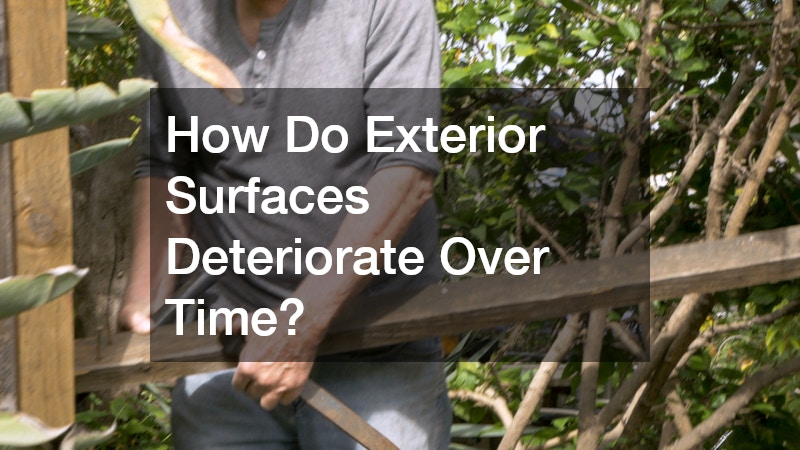
Exterior surfaces are constantly exposed to weather conditions, making them vulnerable to wear and damage. Unlike interior areas, these surfaces face continuous stress from sunlight, rain, wind, and temperature fluctuations, all of which gradually weaken materials over time. Even high-quality finishes and structures can begin to show signs of deterioration if not maintained regularly.
Typical issues include:
- Cracked siding
- Peeling paint
- Damaged fences
- Worn driveways
Cracked siding is a common problem, especially in areas with extreme temperature changes. Materials expand and contract with heat and cold, leading to splits or gaps that allow moisture to seep in. Over time, this can result in deeper structural damage beneath the surface.
Peeling or faded paint is often one of the first visible signs of exterior wear. Constant exposure to sunlight and moisture breaks down paint layers, reducing their ability to protect underlying materials. Once paint begins to peel, surfaces become more vulnerable to rot, corrosion, and further deterioration.
Fences and outdoor structures also experience gradual damage due to exposure to the elements. Wood can rot or warp, while metal components may rust. Loose posts or broken panels not only affect appearance but can also compromise security and boundary definition.
Driveways and pathways endure daily stress from vehicles, foot traffic, and changing weather conditions. Over time, small cracks can expand into larger gaps or potholes, especially when water seeps in and freezes. This cycle accelerates surface breakdown and can make areas unsafe if left unaddressed.
Regular inspection and maintenance of exterior surfaces help identify these issues early. Sealing cracks, repainting surfaces, and reinforcing weakened structures can significantly extend their lifespan. Proper care not only protects the home from further damage but also maintains its overall appearance and value.
What Are the Most Overlooked Home Repairs?
Some of the most important repairs are often overlooked because they seem minor at first glance. However, these small issues can gradually develop into larger problems if not addressed in time. Homeowners often focus on visible damage while ignoring subtle warning signs that indicate underlying issues. These overlooked problems may not cause immediate disruption, but over time they can compromise the efficiency, safety, and structural integrity of the home.
Commonly overlooked repairs include:
- Minor leaks under sinks or behind walls
- Small cracks in walls or ceilings
- Poor ventilation in bathrooms and kitchens
- Loose fixtures or fittings
Minor leaks, for example, are easy to ignore if they don’t cause immediate damage. However, even a slow drip can lead to moisture buildup, which encourages mold growth and weakens surrounding materials. Similarly, small cracks in walls or ceilings may appear harmless but can signal structural movement or settling that requires closer inspection.
Poor ventilation is another frequently neglected issue. Without proper airflow, moisture accumulates in enclosed spaces such as bathrooms and kitchens. Over time, this can lead to mold, unpleasant odors, and damage to walls and fixtures. Loose fixtures, such as handles, faucets, or cabinet fittings, may seem like simple inconveniences but can worsen with use and lead to more complex repairs if not tightened or replaced promptly.
By understanding the basic home repairs every homeowner should know, homeowners can better recognize these early signs and take action before they escalate. Paying attention to these small details not only prevents larger repair costs but also helps maintain the overall condition and functionality of the home.
How Can Preventive Maintenance Reduce Repairs?
Preventive maintenance is one of the most effective strategies for reducing repair costs and maintaining a home’s overall condition. Instead of waiting for problems to occur, homeowners can take proactive steps to identify and address issues early, before they develop into more serious and expensive repairs. This approach not only saves money but also reduces stress by minimizing unexpected breakdowns and disruptions.
Many of the most common home repairs begin as small, manageable issues that go unnoticed or are postponed. Over time, these minor problems can escalate, affecting multiple systems within the home. Preventive maintenance focuses on early detection, allowing homeowners to correct issues while they are still simple and cost-effective to fix.
Key maintenance practices include:
- Conducting regular inspections
- Cleaning gutters and drainage systems
- Servicing HVAC units
- Checking for leaks and moisture buildup
Regular inspections play a crucial role in identifying early warning signs such as cracks, leaks, or unusual wear. By routinely checking different areas of the home—including the roof, plumbing, and electrical systems—homeowners can stay ahead of potential problems. Cleaning gutters and drainage systems ensures proper water flow and prevents blockages that could lead to water damage or foundation issues.
Servicing HVAC units is equally important, as these systems operate continuously and can become less efficient without proper care. Routine maintenance, such as cleaning filters and inspecting components, helps maintain performance and prevents unexpected breakdowns. Similarly, checking for leaks and moisture buildup can help avoid mold growth, structural damage, and increased utility costs.
Following a structured approach, such as using a home maintenance checklist, makes preventive maintenance more manageable and consistent. It helps homeowners track tasks, prioritize repairs, and ensure that no critical area is overlooked.
Consistency in maintenance helps extend the lifespan of home systems and reduces the likelihood of unexpected repairs. By investing time in preventive care, homeowners can maintain a safe, efficient, and well-functioning home while avoiding costly and time-consuming repairs in the future.
What Repairs Should You Never Delay?
Some repairs require immediate attention due to their potential impact on safety, structural integrity, and overall home stability. While many home issues can be monitored or scheduled for later, certain problems escalate quickly and can cause significant damage if ignored even for a short period. Recognizing these high-priority repairs helps homeowners act decisively and avoid costly consequences.
Do not delay:
- Electrical faults
- Roof leaks
- Major plumbing issues
- Structural damage
Electrical faults, such as exposed wiring, burning smells, or frequent circuit trips, pose serious fire hazards and should be addressed immediately by a professional. Roof leaks, even small ones, can allow water to seep into ceilings and walls, leading to mold growth and structural weakening. Major plumbing issues, including burst pipes or persistent leaks, can cause extensive water damage and disrupt daily living.
Structural damage—such as large cracks, shifting foundations, or sagging areas—should never be ignored. These issues can compromise the safety of the entire home and often worsen over time if not properly repaired.
Prompt action not only prevents further damage but also reduces repair costs and ensures a safe, stable living environment. Acting early is always more effective than dealing with the consequences of delayed repairs.
How Do Repairs Impact Home Value?
The condition of a home plays a crucial role in determining its market value. Buyers are naturally drawn to properties that appear well-maintained, structurally sound, and move-in ready. Even small visible issues can influence a buyer’s perception and lead to lower offers or hesitation during the purchasing process.
Well-maintained homes tend to:
- Attract more potential buyers
- Sell faster in competitive markets
- Require fewer price negotiations
On the other hand, neglected repairs can significantly reduce a home’s value. Issues such as visible damage, outdated systems, or signs of poor maintenance often raise concerns about hidden problems. Buyers may factor in repair costs when making offers, which can lower the final sale price.
Regular repairs help maintain functionality, improve aesthetics, and preserve long-term value. Keeping systems in good condition, addressing issues promptly, and maintaining the overall appearance of the home all contribute to a stronger market position. In the long run, consistent upkeep is not just about comfort—it’s also a smart financial decision.
Should You DIY or Hire Professionals?

Deciding whether to handle repairs yourself or hire professionals depends largely on the complexity of the issue, the tools required, and your level of experience. While some tasks can be safely managed without professional help, others require specialized knowledge to ensure proper and safe completion.
DIY-friendly tasks include:
- Fixing minor leaks
- Replacing fixtures or handles
- Painting and basic cosmetic repairs
- Tightening loose fittings
These types of repairs are generally low-risk and can be completed with basic tools and guidance. They also provide an opportunity for homeowners to develop practical skills and reduce maintenance costs.
However, more complex repairs should always be handled by professionals. These include electrical work, structural repairs, major plumbing issues, and HVAC system servicing. Attempting these without proper expertise can lead to safety hazards, code violations, or more extensive damage.
Knowing when to step back and call an expert is an important part of responsible homeownership. A balanced approach—handling simple tasks yourself while relying on professionals for critical repairs—ensures both safety and efficiency.
How Can You Stay Ahead of Repair Needs?
Proactive planning is one of the most effective ways to manage home repairs and avoid unexpected issues. Instead of reacting to problems as they arise, homeowners can adopt a forward-thinking approach that focuses on regular monitoring and early intervention.
Helpful habits include:
- Scheduling routine inspections
- Keeping detailed maintenance records
- Addressing issues as soon as they appear
Routine inspections allow homeowners to identify small problems before they become serious. This includes checking roofs, plumbing systems, electrical components, and exterior surfaces. Keeping maintenance records helps track previous repairs, monitor recurring issues, and plan future maintenance tasks more effectively.
Addressing issues early is perhaps the most important habit. Delaying repairs often leads to more extensive damage and higher costs. By taking action at the first sign of a problem, homeowners can maintain control over their property and avoid unnecessary complications.
Staying organized and consistent in these practices helps create a structured approach to home maintenance, making repairs more manageable and predictable.
What Long-Term Benefits Come from Regular Repairs?
Regular maintenance and timely repairs provide significant long-term benefits that go beyond immediate problem-solving. A well-maintained home not only functions better but also creates a more comfortable and secure living environment for its occupants.
Key long-term benefits include:
- Improved safety and reduced risk of hazards
- Lower repair and replacement costs over time
- Increased comfort and energy efficiency
- Extended lifespan of home systems and materials
When repairs are handled promptly, they prevent minor issues from developing into major structural or system failures. This reduces the likelihood of emergency repairs, which are often more expensive and disruptive. Additionally, well-maintained systems—such as HVAC, plumbing, and electrical—operate more efficiently, leading to lower utility costs and improved performance.
Over time, consistent maintenance also helps preserve the overall condition and value of the home. It ensures that the property remains functional, visually appealing, and structurally sound.
In essence, regular repairs are an investment in the future of your home. They provide stability, reduce uncertainty, and contribute to a better overall living experience.
Conclusion: Staying Prepared as a Homeowner
Understanding the most common home repairs allows homeowners to take control of their property’s condition with greater confidence and clarity. Instead of reacting to problems after they arise, a proactive approach—supported by regular inspections and timely action—helps prevent small issues from turning into costly disruptions. A well-maintained home is not only safer and more efficient, but also more resilient against long-term wear and environmental stress.
Developing awareness of how key systems function—such as plumbing, roofing, electrical, and HVAC—makes it easier to identify early warning signs and respond effectively. For deeper insights into home maintenance and safety practices, homeowners can refer to guidance from the Federal Emergency Management Agency, which outlines practical steps for protecting residential properties. Additional maintenance recommendations can be found through the U.S. Environmental Protection Agency, particularly for maintaining healthy indoor environments. Home improvement standards and repair best practices are also covered by the International Association of Certified Home Inspectors, offering valuable insights into identifying and addressing common issues.
Key Takeaways
- Act early on warning signs: Small issues like leaks, cracks, or unusual system behavior often indicate larger underlying problems
- Prioritize critical repairs: Electrical faults, roof damage, plumbing failures, and structural concerns should never be delayed
- Adopt preventive maintenance habits: Regular inspections and routine upkeep reduce long-term repair costs and extend system lifespan
- Balance DIY and professional help: Handle simple fixes yourself, but rely on experts for complex or high-risk repairs
- Protect long-term home value: Consistent maintenance improves functionality, enhances comfort, and preserves property value over time
Staying prepared as a homeowner is not about avoiding repairs altogether—it’s about managing them wisely. With the right knowledge and consistent attention, you can maintain a home that remains safe, efficient, and reliable through every stage of ownership.