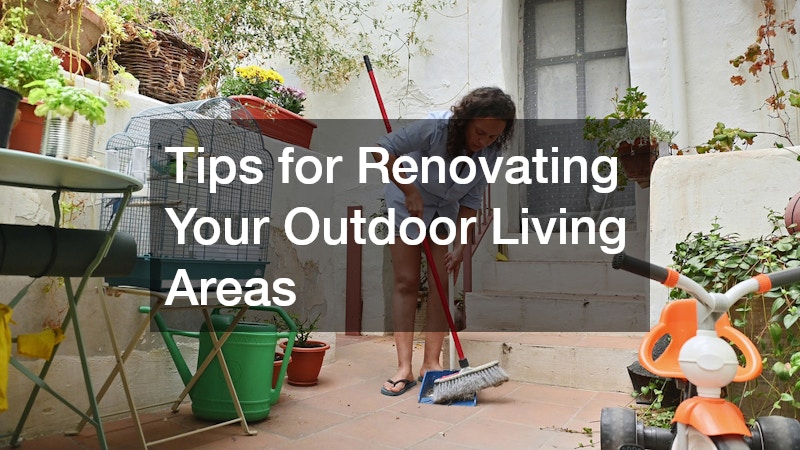
Renovating your outdoor living spaces can bring a new level of enjoyment and utility to your home environment. With the right approach, you can transform patios, gardens, and yards into functional and appealing areas for relaxation and entertainment. This article will explore key aspects you need to consider for a successful renovation.
What Are the Best Hardscaping Supplies?

Choosing the right materials for hardscaping is crucial in establishing a durable and aesthetic outdoor space. Natural stones, like granite and slate, offer durability and a timeless look. Opt for materials that suit the climate and environmental conditions specific to your area. In regions with frequent temperature shifts or heavy rainfall, materials that resist cracking, erosion, and moisture absorption tend to perform better over time. It’s also helpful to consider how the color and texture of materials will complement your home’s exterior and the surrounding landscape.
Balancing quality and budget is an integral part of selecting hardscaping supplies. Higher-quality materials might have a higher initial cost but can offer long-term savings by reducing maintenance expenses. Evaluate your budget constraints while acknowledging the importance of investing in good materials. Cheaper alternatives may seem appealing at first, but can lead to higher repair or replacement costs in the future. Prioritizing durability and performance often results in a more cost-effective solution over the lifespan of your outdoor project.
Finding reliable vendors for your hardscaping supplies assures quality and cost-effectiveness. Local suppliers might offer competitive prices and faster delivery times compared to national chains. Investigate both online and offline options to get the best deal for your needs. Reading reviews, requesting samples, and comparing warranties can help you determine which supplier offers the best combination of quality, service, and value. Establishing a relationship with a trusted supplier can also make future projects easier and more efficient.
How to Choose a Hardscaping Service?
When selecting a hardscaping service, it’s crucial to review their credentials and experience in the field. A company with a solid track record and expertise in hardscape design can ensure a successful project outcome. Don’t hesitate to ask for portfolios or references to gauge the quality of their work. Experienced contractors should also be able to explain their design process, recommend suitable materials, and outline a realistic timeline for completion. Clear communication at this stage often signals a smoother project from planning through installation.
Reviews and testimonials offer valuable insights into a hardscaping service’s reputation and the satisfaction levels of past clients. Online platforms provide a plethora of customer feedback that can guide your decision-making process. Ensure you evaluate both positive and negative reviews to get a balanced view. Pay attention to patterns in feedback, such as comments about reliability, workmanship, or project delays. Consistent praise for professionalism and attention to detail often indicates a company that takes pride in its work.
Different hardscaping companies offer various service packages tailored to customer needs. Comparing these packages allows you to assess what you’ll get for your investment. Look for services that align with your project goals and offer flexibility and customization if necessary. Some companies may also provide design consultations, maintenance guidance, or warranties on materials and labor. Understanding exactly what is included helps you avoid unexpected costs and ensures the final result matches your expectations.
What is Hardscape Design?
Hardscape design integrates non-living elements into your landscape for both aesthetic and functional purposes. The principles include balance, harmony, and unity, all of which contribute to a coherent and appealing outdoor space. Effective hardscape design elevates the use of spaces while complementing natural landscaping. Strategic placement of features such as seating areas, walkways, and borders can also help define different zones within your yard, improving both flow and usability.
Popular hardscape designs include patios, pathways, water features, and retaining walls. Each design has its unique benefits, offering both beauty and functionality to outdoor living spaces. By understanding elements like shape and pattern, you can create a hardscape that fits your personal style. For example, curved pathways can soften a landscape and create a more organic feel, while geometric patterns and straight lines often produce a clean, modern look.
Adding hardscape elements should harmoniously blend with your existing landscape. Consider the colors, textures, and proportions to ensure that they complement the softscaping rather than compete with it. Integration allows your outdoor area to look seamless and well thought out. Thoughtful design also accounts for practical factors such as drainage, sunlight exposure, and long-term maintenance requirements, helping your outdoor space remain attractive and functional for years to come.
What Elements Comprise Successful Hardscaping?
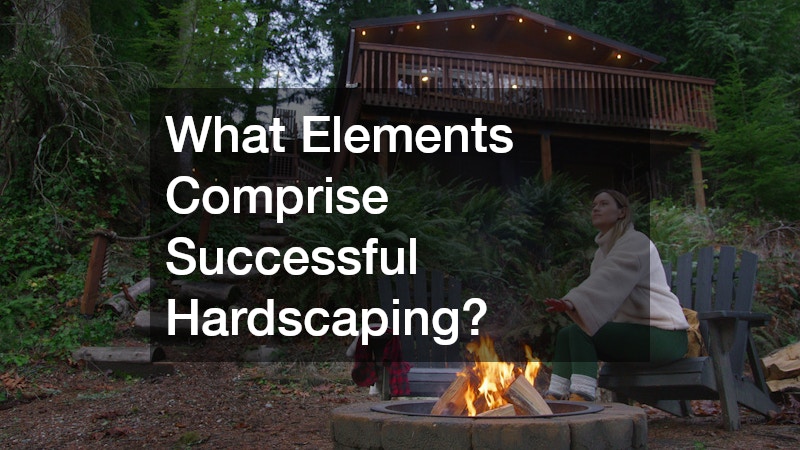
Successful hardscaping incorporates features that add value and functionality to your outdoor spaces. Elements such as outdoor kitchens, fire pits, and seating areas not only provide utility but also enhance the aesthetic appeal. Consider what features will maximize your enjoyment of your outdoor area. For instance, a well-placed patio can serve as the central hub for gatherings, while built-in seating or shade structures can make the space more comfortable and practical throughout the year.
Combining aesthetics with functionality is key to achieving a successful hardscape design. Choose materials and designs that not only please the eye but also provide practical benefits, such as easy maintenance and durability. The right combination ensures that your investment is both beautiful and long-lasting. Slip-resistant surfaces, weather-resistant materials, and thoughtful layout choices can also improve safety and usability, especially in areas that receive frequent foot traffic.
Common hardscaping mistakes to avoid include poor drainage, improper material selection, and a lack of planning. These can lead to problems like water pooling or quicker wear and tear on materials. Proper planning and execution can circumvent these issues and lead to a more satisfactory end result. Taking time to evaluate grading, soil conditions, and long-term maintenance needs helps prevent costly repairs and ensures your outdoor space performs well over time.
How to Choose the Right Hardscaping Company?
Choosing the right hardscaping company involves considering several key factors, such as reputation, expertise, and customer service. Establishing early communication can provide insight into their work ethic and commitment to client satisfaction. Make sure that the company aligns with your project expectations. Asking detailed questions about timelines, materials, and project management can help clarify how they operate and whether their approach matches your priorities. A transparent and responsive contractor often signals a smoother working relationship.
Accreditation and licensing signify a company’s adherence to industry standards and regulations. A licensed hardscaping company offers both credibility and a level of assurance in their work quality and professionalism. Verify these credentials before committing to any project agreements. It’s also wise to confirm that the company carries proper insurance coverage, including liability and worker’s compensation. These safeguards protect both you and the contractor if unexpected issues arise during the project.
Choosing between local and national companies largely depends on your specific needs and preferences. Local companies often provide personalized services and are familiar with regional norms and trends. National companies might offer a wider range of services or resources, but may lack the local touch. Weigh factors such as responsiveness, familiarity with local climate conditions, and availability for follow-up service when making your decision. A contractor who understands local soil, weather patterns, and permitting requirements can often deliver more reliable results.
How to Incorporate Landscape Lighting?
Landscape lighting offers a dynamic way to enhance the visual appeal and security of your outdoor areas. Options include solar lights, LED fixtures, and low-voltage systems, each offering unique benefits and aesthetics. The choice of lighting can significantly change the mood and functionality of your space. Incorporating layered lighting—such as ambient, task, and accent lights—can create depth and highlight different areas of your landscape throughout the evening.
Strategic positioning of lights creates ambiance and highlights architectural and natural features. Placement near pathways, water elements, and seating areas ensures safety and enhances usability at night. Thoughtful lighting design balances illumination with energy efficiency. Using dimmers, timers, or smart controls allows you to customize brightness and operating hours, adding convenience and reducing energy consumption.
Regular maintenance is vital to ensure landscape lighting remains functional and efficient. Energy-efficient options, like LEDs, reduce costs and environmental impact while providing long-lasting performance. Schedule periodic checks to replace or repair faulty units as needed. Additionally, inspecting wiring, connectors, and solar panels can prevent outages and extend the life of your system, keeping your outdoor spaces inviting and well-lit year-round.
What Landscaping Materials are Essential?
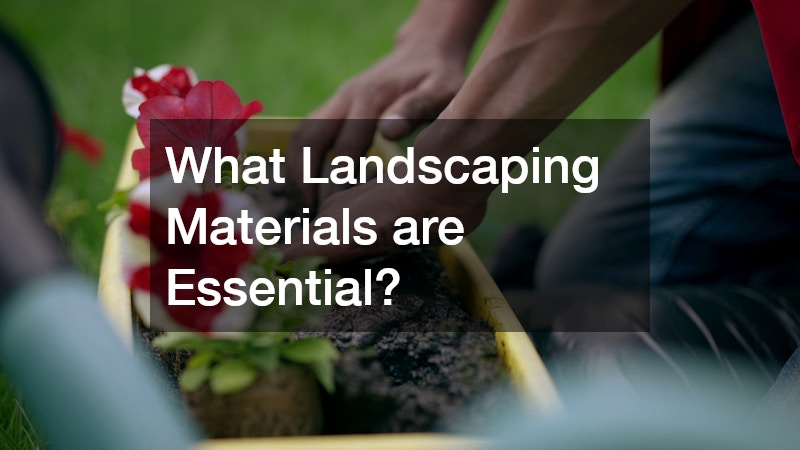
Essential landscaping materials include soil, mulch, rock, and plantings that contribute to a healthy and attractive garden. These materials play roles in drainage, aesthetic appeal, and environmental health. Choose materials that complement both your hardscaping and the natural landscape. Understanding the specific needs of your plants, such as soil pH and nutrient content, can also improve plant health and longevity, creating a thriving outdoor space.
Innovative technologies in landscaping materials have introduced eco-friendly, durable, and aesthetically diverse options. Permeable pavers, synthetic turf, and recycled materials provide environmentally conscious alternatives. Such advancements enable sustainable yet stylish landscaping solutions. Additionally, modern composite decking and weather-resistant stone alternatives expand design possibilities while reducing maintenance demands, allowing for more creative and long-lasting outdoor installations.
Considering the environmental impact of landscaping materials is essential in today’s eco-conscious climate. Opting for sustainable and low-impact materials reduces your carbon footprint and supports ecological balance. These choices contribute to a holistic approach to outdoor design. Selecting native plants, organic mulches, and materials with minimal chemical treatments further enhances biodiversity and encourages local wildlife, creating a more resilient and environmentally harmonious landscape.
How to Find Reliable Landscaping Companies?
Reliability in a landscaping company is indicated by transparent communication, consistent service, and a solid reputation. A company committed to delivering on promises and maintaining ethical business practices is preferable. Experiences of past clients can reflect their dependability and professionalism.
Effective negotiation starts with clear project expectations and budgets. Contracts should outline detailed scopes, timelines, and contingencies, leaving no room for ambiguity. Ensure every agreed-upon detail is documented to avoid miscommunications or discrepancies later on.
Post-project support is an invaluable service offered by landscaping companies to maintain project integrity. This may include follow-up visits, maintenance services, or guidance for self-care of new installations. Reliable companies provide these ongoing services to secure customer satisfaction.
What are the Benefits of a Sprinkler System?
Sprinkler systems are available in various types, including subsurface drip, oscillating, and rotating sprinklers. Each type has distinct benefits suited for different garden sizes and layouts. Choosing the right system can optimize water usage and achieve healthy landscaping. Evaluating factors like soil type, plant water requirements, and sun exposure helps determine the most effective system for your property. Well-planned coverage prevents overwatering and ensures all areas receive adequate hydration.
Proper installation and regular upkeep are necessary to prolong your sprinkler system’s life and functionality. Professional installation ensures efficient operation and adherence to design plans. Scheduled maintenance checks prevent leaks and issues that could lead to inefficient watering. Inspecting nozzles, valves, and pipes regularly helps maintain consistent pressure and prevents uneven distribution, which is crucial for lawn and garden health.
Modern sprinkler systems are designed to conserve water while effectively irrigating your landscape. Features like moisture sensors and programmable timers allow for efficient water management. Implementing these systems promotes environmental responsibility while enhancing garden vitality. Integration with smart home technology can further optimize irrigation schedules, reduce water waste, and provide remote control capabilities, making it easier to maintain a lush, healthy landscape year-round.
How to Maintain Your Renovated Outdoor Area?
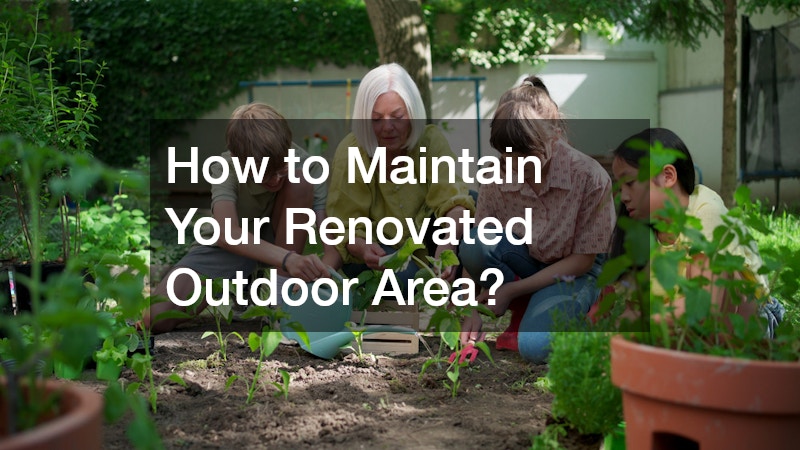
Seasonal maintenance checks are crucial for sustaining the quality of renovated outdoor areas. Spring and fall clean-ups, trimming, and debris removals are essential activities. Tailor maintenance activities to the season to address specific weather-related demands.
Addressing wear and tear promptly prevents minor issues from becoming major repairs. Use protective sealants for hardscaping elements and choose resilient landscaping materials. Regular checks can identify potential problems early, saving time and resources in the long run.
Over time, you might want to upgrade or expand upon your current outdoor setups. Adding features such as landscape lighting or additional seating areas breathes new life into lived-in environments. Planning these upgrades within current designs ensures cohesion and continued functionality.
Embracing the task of renovating your outdoor living space can significantly bolster your home’s appeal and utility. The tips provided map a pathway to achieving a harmonious and efficient project that aligns with your vision. Let your imagination steer the initial stages and watch your ideas flourish into vibrant outdoor realities.